China factory slump extends to August
Manufacturing contracts for fifth month as tariffs bite
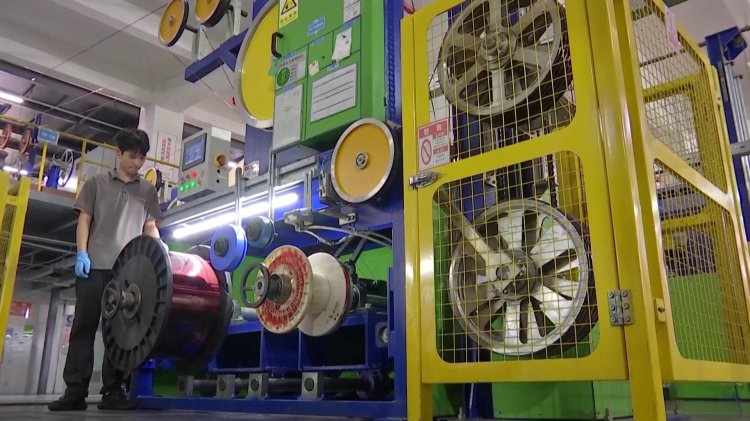
China's manufacturing sector continues to struggle, with activity shrinking for the fifth consecutive month. The official purchasing managers' index (PMI) rose slightly to 49.4 in August, but remains below the critical 50-point threshold that indicates growth. The country's economy faces significant challenges, including U.S. tariffs, a struggling property market, and rising job loss fears, which could hinder Beijing's goal of achieving around 5% growth this year.
In a related development, the U.S. and China extended their trade truce for another 90 days, maintaining 30% U.S. tariffs on Chinese imports and 10% Chinese duties on U.S. goods. In response to the economic downturn, Beijing has increased consumer subsidies to stimulate demand, but domestic spending remains weak, particularly due to the ongoing slump in the property sector.
Japan is experiencing similar manufacturing challenges, with its PMI remaining below 50 for a second month. The S&P Global Manufacturing PMI for Japan edged up to 49.7, indicating a slight moderation in the pace of decline, but export orders fell sharply, hitting their lowest point in 17 months due to U.S. tariffs affecting demand for Japanese goods.
While private-sector data from China indicated a slight expansion in manufacturing activity, contrasting with official figures, both countries are grappling with the broader impacts of U.S. trade policies. Across Asia, factory activity has contracted, with countries like South Korea and Taiwan also reporting PMI readings below 50, reflecting the ripple effects of U.S. tariffs on export-driven economies.
Analysts warn that the pressure on manufacturers in Asia is likely to intensify, particularly for countries reliant on U.S. shipments. Despite some signs of recovery in the manufacturing sector, the overall economic landscape remains precarious, with concerns about weak domestic demand and the sustainability of any improvements in exports.