Venezuela ratifies Russia alliance treaty
Pact covers defense, energy and trade amid U.S. pressure
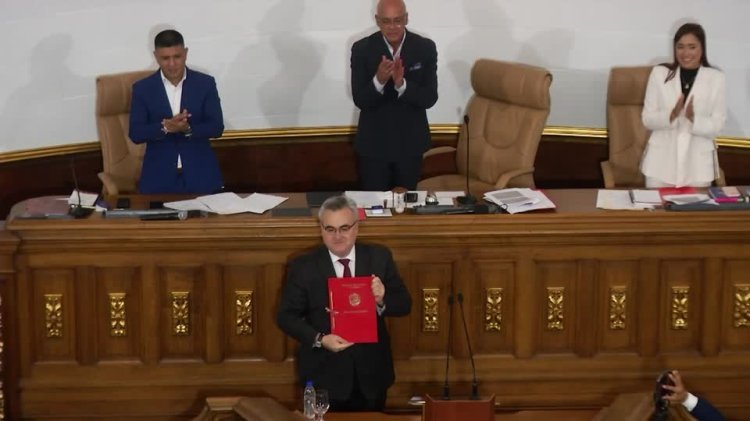
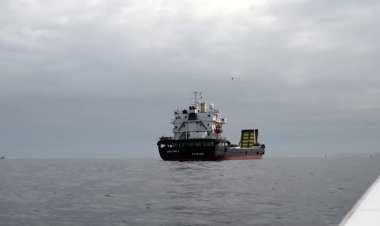
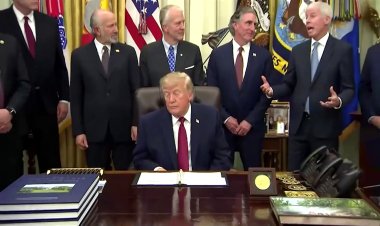
Venezuela’s National Assembly voted unanimously to approve a Strategic Partnership and Cooperation Treaty with Russia, a pact the government describes as a “brotherhood” that links the two nations in defense, energy, technology, mining and broader economic cooperation. The bill, presented by Deputy Roy Daza, was framed as a response to escalating U.S. pressure: Washington has recently struck three alleged drug‑smuggling boats and President Donald Trump has warned that his administration is considering a land‑based attack on drug cartels operating from Venezuela.
The treaty, already signed by Presidents Vladimir Putin and Nicolás Maduro earlier in the year, now receives domestic legal backing, allowing Caracas to formalize arms purchases, joint oil‑and‑gas projects, technology transfers and joint military training. Lawmakers loyal to Maduro hailed the vote as proof of Venezuela’s sovereignty and a rejection of U.S. sanctions, calling the agreement a “peace and multipolarity” initiative that positions the country within a new international order.
Implementation still requires presidential promulgation by Maduro. Once enacted, the accord is expected to expand joint activities that have already begun, including naval drills in the Caribbean, discussions on a possible nuclear‑energy collaboration, and new contracts for Russian firms to develop Venezuelan oil fields. For Russia, the treaty secures a strategic ally in Latin America, extending Moscow’s influence in the Western Hemisphere at a time when it faces isolation over its war in Ukraine.
Analysts note that the symbolic language of “brotherhood” signals a long‑term political alignment rather than a purely commercial arrangement. It gives Caracas a diplomatic shield and potential economic lifelines while deepening Russia’s foothold in a region traditionally dominated by the United States. Critics abroad warn that the partnership entrenches authoritarian regimes and further distances Venezuela from democratic and Western institutions, potentially inviting additional sanctions.
The vote reflects growing domestic frustration in Venezuela, where a severe economic crisis and political repression have left the government seeking external support. The treaty’s approval adds to a recent wave of cooperation—joint military exercises, nuclear‑energy talks and expanded oil‑production deals—underscoring a shift in the geopolitical balance of the Western Hemisphere and setting the stage for a more entrenched Caracas‑Moscow alliance amid heightened U.S. hostility.