AI bot Kia joins SFU classroom debates
Project blends teaching innovation with warnings on bias, accuracy
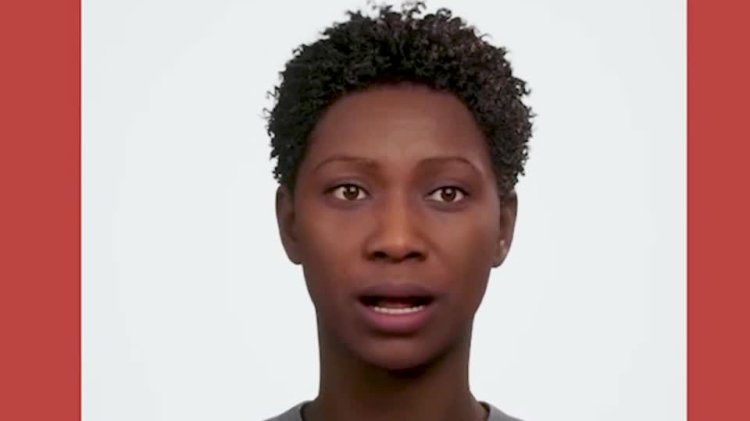
Simon Fraser University introduced an interactive AI collaborator, Kia, into an introductory artificial intelligence class, where the expressive bot joins Professor Steve DiPaola on stage to take part in real-time discussions, debate complex topics and probe ethical questions. DiPaola designed Kia’s visualization as a Black British woman and uses she/her pronouns for the system; he describes the deployment as both performative and pedagogical—showing students a high-end AI while foregrounding issues like bias, accuracy and appropriate classroom use.
Kia said her role is to “help explore and understand artificial intelligence,” clarifying concepts and fostering critical thinking rather than grading or leading the course. DiPaola has built similar bots for SFU’s environmental science and medical programs and argues that integrating AI into teaching prepares students for future practice better than outright bans. He cautioned, however, that AI is not infallible: hallucinations and errors are risks, so students must verify outputs and understand the limits and provenance of model-generated information.
Students who attended the class reacted with a mix of curiosity and caution. Some called the experiment “neat” and useful for exposure to advanced systems, while others said they would be hesitant to see AI widely used in place of human experts, valuing direct person-to-person instruction. DiPaola acknowledged practical challenges—such as assessing student work when AI is available—and framed the effort as training students to use tools ethically and effectively rather than relying on them uncritically.
SFU is pursuing an interdisciplinary approach to AI development, involving ethicists alongside computer scientists, and DiPaola advocates for greater openness and accessibility in AI tools. As the course continues, Kia’s knowledge base will be expanded and her role refined to assist classroom discussion and help students grapple with technical, ethical and societal dimensions of artificial intelligence. The experiment highlights tensions between pedagogical innovation and the need for safeguards around accuracy, equity and assessment in higher education.