


Gold posts biggest rally since 1979
Prices soar 43% this year on Fed cuts, central-bank demand
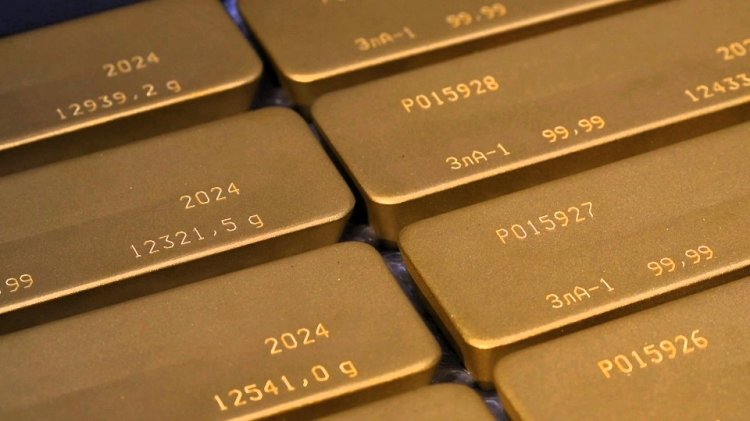
Gold has surged more than 40% year-to-date and is on track for its strongest annual advance since 1979, powered by a mix of geopolitical risk, worries over the global economy and debt, large central‑bank purchases and expectations of U.S. interest‑rate cuts. The metal began the year at $2,623 per ounce and posted monthly moves of +6.67% (January), +2.17% (February), +9.26% (March), +5.26% (April), +0.03% (May), +0.41% (June), −0.39% (July), +4.8% (August) and +8.54% (September), culminating in a record high near $3,791 per ounce — roughly a 43% gain since the start of the year.
Analysts attribute the rally to several reinforcing forces. Market pricing of larger and earlier Fed rate cuts has reduced real and nominal yields, making non‑yielding assets such as gold relatively more attractive. Broad central‑bank accumulation of bullion has tightened physical availability and established a structural bid, while investor demand in key markets — notably China — has remained strong. Geopolitical tensions and rising concerns about sovereign and corporate debt sustainability have amplified safe‑haven flows. A softer dollar alongside lower yields has further amplified gold’s appeal as a hedge against monetary and fiscal uncertainty.
The rally tightens links between monetary policy expectations and commodity markets, complicating portfolio allocation for investors balancing yield-seeking assets against inflation and geopolitical risk. Higher prices may spur increased exploration and mining investment over time, but physical supply responds slowly, meaning prices remain sensitive to shifts in demand and macro signals. Analysts warn the upside could be capped if geopolitical tensions ease, global growth surprises to the upside, or the Fed delays or scales back cuts; conversely, deeper policy easing, fresh rounds of central‑bank buying or heightened risk aversion would likely sustain further gains.
For now, gold’s standout performance marks it as one of the year’s leading asset stories, reviving comparisons with the late 1970s rally and underscoring bullion’s role as both a strategic reserve asset for central banks and a tactical hedge for investors amid uncertain macroeconomic and policy developments.