Bolsonaro discharged and returned to custody
Former Brazilian president resumes sentence after hospital treatment
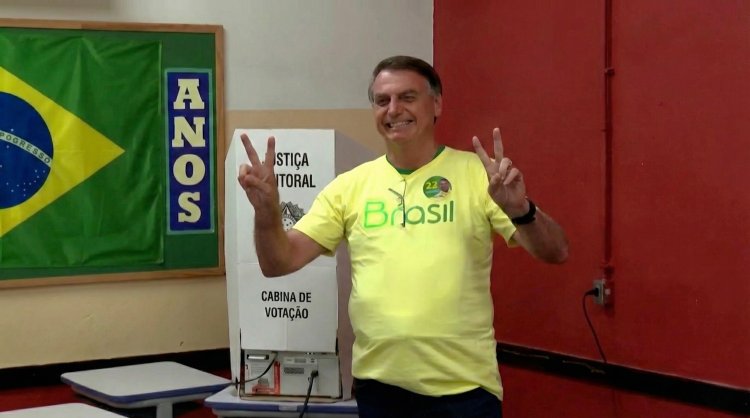
Brazil’s former president Jair Bolsonaro was discharged from hospital after undergoing procedures to treat a hernia and persistent hiccups and was returned to the Federal Police Superintendency in Brasilia, where he is serving a 27‑year sentence for plotting a coup following the 2022 election. The 70‑year‑old had been admitted last week for surgeries authorized by Supreme Court Justice Alexandre de Moraes; earlier, Moraes denied a request from Bolsonaro’s lawyers to allow him to serve his sentence under “humanitarian house arrest.”
Hospital staff said Bolsonaro’s condition stabilized and he was fit to be released; he was transported under heavy security back to custody, with prison medical teams assigned to monitor his recovery and provide follow‑up care. No immediate complications were reported at discharge. Bolsonaro’s legal team reiterated concerns about his fragile health and the adequacy of care in detention, arguments they have previously presented to the courts. Supporters gathered outside the hospital during his stay, and allies reiterated claims of political persecution—assertions rejected by prosecutors and judges who say legal processes are proceeding according to law.
Bolsonaro faces multiple criminal cases and convictions related to his conduct in office and actions after the 2022 election. Courts have allowed medical treatment when deemed necessary by clinicians but have otherwise maintained that detention and judicial procedures must continue. His return to custody is expected to deepen political divisions in Brazil: supporters portray him as a persecuted leader, while opponents and judicial authorities emphasize adherence to due process.
Authorities said prison officials are prepared to continue monitoring his health and to authorize further medical interventions if required. The episode highlights the intersection of Bolsonaro’s ongoing legal battles, security measures surrounding his detention, and persistent disputes over his medical needs and the political implications of his incarceration.