Bosnian Serbs defy ban with statehood parade
Banja Luka celebrations revive secession tensions despite court rulings
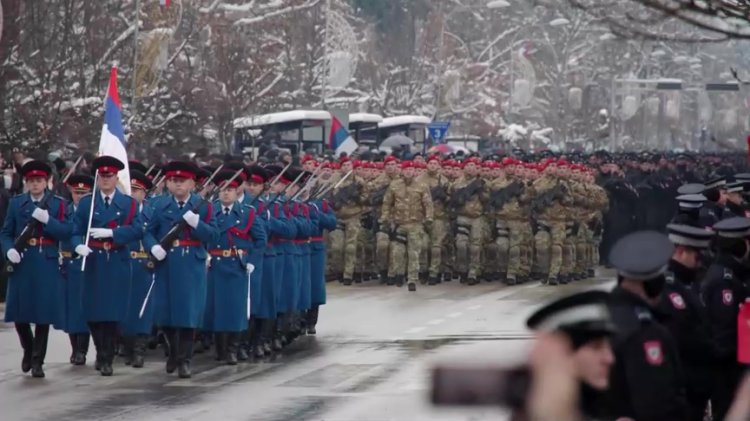
Bosnian Serbs held banned celebrations for their entity’s statehood day in Banja Luka, defying rulings by the country’s Constitutional Court and deepening tensions over Republika Srpska’s status within Bosnia and Herzegovina. The anniversary, which marks the 1992 declaration that preceded the 1992–95 war, is contested because it coincides with Serbian Orthodox Christmas and is deemed discriminatory by Bosniak and Croat communities. Despite the court’s twice-affirmed rulings that the holiday is unconstitutional, around 2,000 people—police, wartime veterans and civilians—participated in a parade featuring special forces and armoured vehicles; only a few hundred spectators braved freezing temperatures to watch.
Milorad Dodik, the influential Bosnian Serb leader recently removed from the region’s presidency for violating court decisions and the international peace envoy’s authority, attended and used the event to reiterate demands for greater autonomy and to restate his long-standing push toward eventual secession. Dodik framed the celebrations as an assertion of Serb identity and rejected the legitimacy of Sarajevo-based institutions and international interventions that, he said, undermine Serb rights. His stance has previously prompted Western and international pressure that led to the suspension of several separatist measures, but he has continued to press the secessionist agenda.
Bosnia’s international backers and officials warned that flouting court rulings risks undermining the Dayton-era constitutional order and the fragile rule of law that underpins the country’s postwar governance. Bosniak and Croat leaders condemned the festivities as provocative and exclusionary, urging stronger enforcement of court decisions and increased international engagement to prevent further institutional erosion. Security forces were on alert during the parade and no major clashes were reported, yet analysts say the event underscored enduring ethnic fault lines and the persistent appeal of nationalist rhetoric in parts of Bosnia—factors that complicate prospects for reconciliation and the country’s European integration. Observers noted that the annual observance, and the political theater surrounding it, remains a barometer of Republika Srpska’s separatist ambitions and of broader instability within Bosnia’s decentralized political system.