

Building collapse kills one in Gaza
Rain brings down war-damaged structure in Shati camp
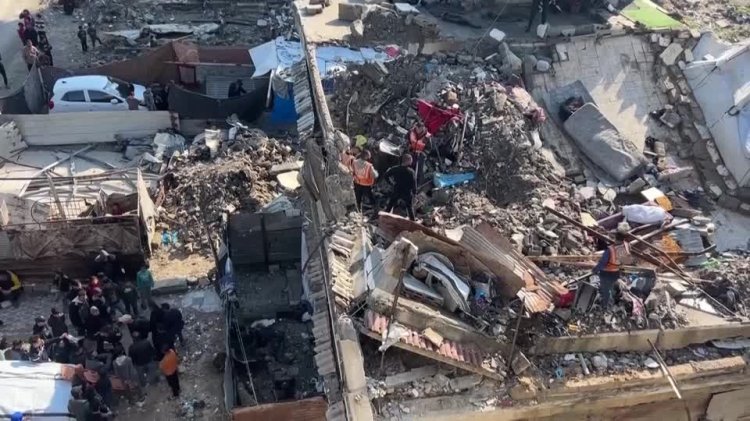
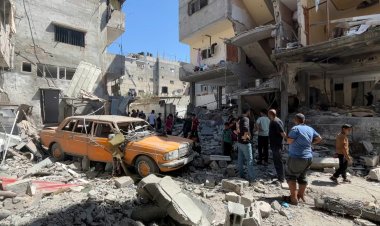
Rescuers recovered a body after part of a war‑damaged building collapsed in Gaza City’s Shati refugee camp, civil defence officials said. The structure, already weakened by earlier strikes, suddenly gave way during heavy rains, trapping occupants and complicating search efforts. A survivor at the scene said he escaped and pulled his son from beneath the roof as the house fell in. Authorities did not immediately release the victim’s identity or say how long the body had been buried.
Emergency crews worked with limited equipment to remove concrete slabs and twisted metal, while medical teams waited nearby in case more casualties were found. Officials warned that sustained rainfall is increasing the risk of further collapses across the devastated enclave, making it harder to reach and recover bodies still under rubble.
Local civil defence officers said such structural failures have become common in Gaza City after months of intense bombardment and a chronic shortage of materials for repairs. Many buildings remain unstable even where they were not directly hit, and some residents return to partially damaged homes to retrieve belongings or shelter, exposing themselves to sudden collapse.
Humanitarian agencies say responders are overwhelmed by the scale of destruction and have urged expanded access to heavy rescue equipment to improve search-and-rescue operations. The collapse at Shati highlights continuing civilian vulnerability in Gaza, where nearly the entire population has been displaced and basic services are severely constrained. Despite an October ceasefire between Israel and Hamas, aid deliveries remain limited, according to humanitarian groups.
The recovery at Shati adds to the mounting civilian toll and renewed calls for greater humanitarian access, protective measures for civilians, and support to stabilize and repair damaged infrastructure. As crews worked, nearby residents watched in silence, reflecting the persistent fear and uncertainty that accompany life amid widespread destruction and ongoing challenges to safe recovery.