AI firms turn to gas turbines
Data centers seek fast power as grid limits bite
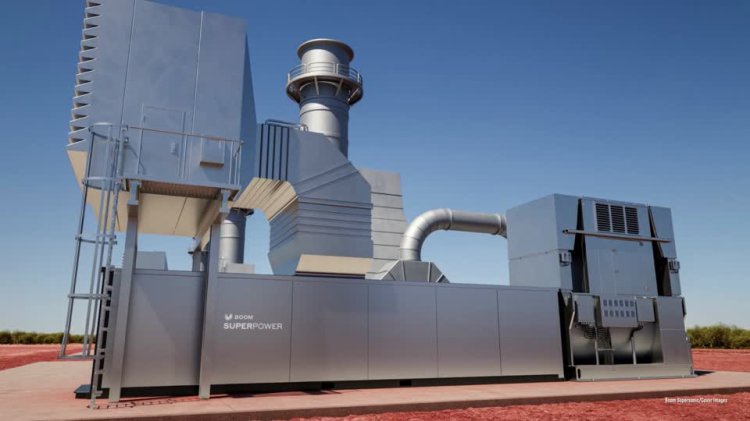
AI companies are increasingly deploying jet-engine-style gas turbines to meet surging electricity needs from data centres powering large AI models, marking a notable shift in how the tech sector secures power amid strained grids. Boom Supersonic’s energy arm has developed “Superpower,” a 42‑megawatt natural‑gas turbine—drawing on its Symphony jet‑engine programme—designed to run at full capacity in extreme heat without requiring water, a key advantage where data‑centre cooling taxes local supplies. Boom says 95% of components for the Symphony engine core prototype are already in production, with testing slated to begin in 2026 at its Colorado facility.
Firms say on‑site turbines can be deployed faster than new power plants or transmission upgrades, providing a rapid, self‑contained solution as AI workloads push electricity demand to levels comparable with small cities. Operators are also weighing other options—small modular reactors, dedicated gas plants, and long‑term renewable contracts with battery storage—but turbines have emerged as a near‑term fix while grids and permitting lag behind AI expansion.
The trend highlights tensions between rapid technological growth and slower infrastructure development. Utilities across the US, Europe and parts of Asia warn that existing transmission and generation capacity is struggling to keep pace, raising risks to reliability and upward pressure on prices. Environmental groups criticize the turn to fossil‑fuel generation, warning it could undermine climate goals; industry proponents counter that turbines are a temporary bridge and point to pledges to offset emissions or transition to lower‑carbon fuels over time.
Policy makers and energy experts say the situation underscores the need for accelerated grid modernization, faster permitting for renewables and new transmission, plus clearer regulatory frameworks to manage competition for power. Analysts caution that without significant investment in cleaner, large‑scale supply and storage, the scramble for electricity could intensify regulatory scrutiny and drive further debate over the environmental trade‑offs of supporting AI growth. For now, the adoption of jet‑turbine technology demonstrates how the AI boom is reshaping energy infrastructure choices, forcing rapid, sometimes controversial adaptations to keep compute‑heavy services online.