

Cameroon counts votes after key election
Veteran leader Paul Biya expected to extend decades-long rule
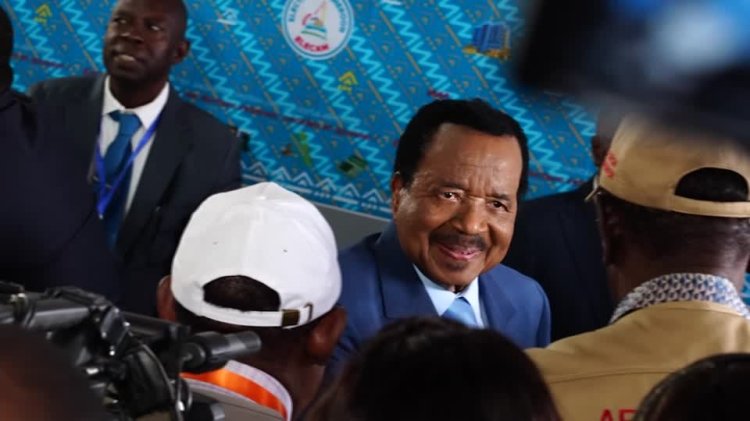
Election workers in Yaounde have begun counting ballots after a presidential vote in which long-serving president Paul Biya is widely expected to extend his rule. Biya, 92, who has led the country since 1982, faces a fragmented field of rivals — official tallies list between nine and 11 challengers — but analysts say his control of state institutions and the divided opposition make his reelection likely.
Just over 8 million Cameroonians registered to vote in the one-round election. Polling stations opened in the morning and closed in the evening local time; officials say final results should be announced within 15 days. There were no exit polls.
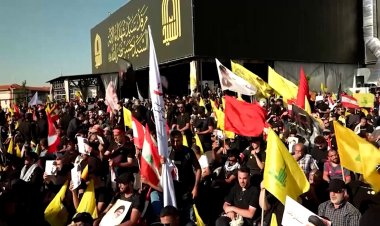
The most prominent opposition figure this cycle is former government spokesman Issa Tchiroma Bakary, who drew sizable crowds campaigning on promises to end Biya’s long tenure and to address economic and governance problems. His campaign energized young voters in a country where roughly half the population is under 20. Other opponents, including candidates from former Biya strongholds such as the Far North — a region with about 1.2 million voters — also campaigned heavily, reflecting a livelier atmosphere than in some past contests.
Observers note constraints on competitiveness: the disqualification of prominent past challenger Maurice Kamto and longstanding concerns about the ruling party’s leverage over the electoral process have fed skepticism about the race’s fairness. Political scientist Stephane Akoa was quoted saying the ruling system “has ample means at its disposal” to influence results, though he also acknowledged the campaign’s unusual vibrancy and the potential for surprises.
Biya has maintained a relatively low public profile during the campaign but made occasional appearances, including a rally in Maroua in the Far North region. His candidacy follows a 2008 constitutional change that removed presidential term limits; he has won every election in recent decades by large margins.
Analysts warn that even if Biya secures another term, his advanced age and limited public visibility raise questions about governance and succession. For many Cameroonians — particularly younger citizens — the election represents a focal point for whether calls for change will gain traction or the long-standing political order will persist.