Chicago standoff after ICE car chase
Federal pursuit and crash spark unrest and tear gas use
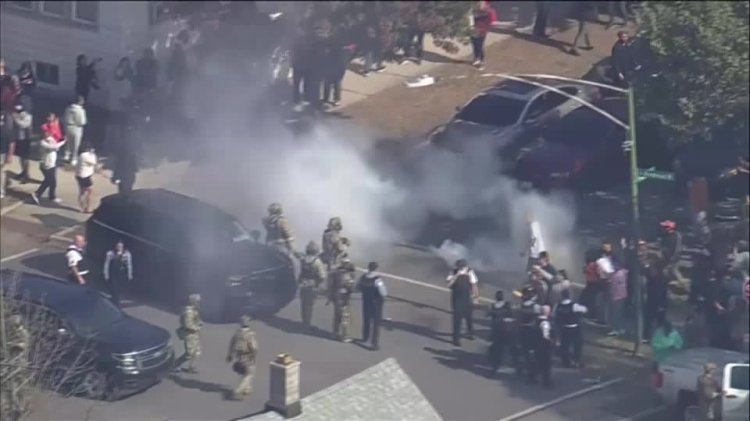
Federal immigration agents pursued and collided with a vehicle in Chicago’s far southeast side during an enforcement operation, provoking a tense standoff with local residents and the deployment of tear gas. Video from the scene shows a white SUV striking a red SUV, which then spun through an intersection and hit another car; two people fled from the red vehicle as apparent federal agents gave chase. The Department of Homeland Security said the red SUV’s driver—allegedly in the country illegally—had rammed a Border Patrol vehicle before attempting to flee, and agents used a PIT maneuver to stop the vehicle. Two people were arrested at the scene.
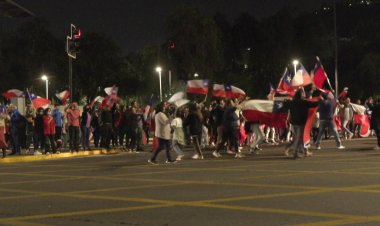
As federal personnel secured the scene, a crowd gathered and turned hostile, throwing rocks and other objects. Chicago police documented the crash but said they were not participating in the federal operation; additional supervisors and officers arrived to help deescalate as federal authorities prepared to leave. Federal agents and police reported that crowd-control measures, including tear gas, were used; aerial and cellphone footage appears to show agents deploying chemical agents and at least one agent discarding a cellphone that was recording. Thirteen Chicago police officers were reported exposed to the chemical agent. Neighbors and witnesses said several other people were detained in connection with the unrest.
Residents expressed anger not only at the presence of federal agents but at what they described as dangerous, high-speed pursuits through residential streets where children walk to school. A witness said the tear gas left people struggling to breathe. DHS defended the operation, framing it as a response to violent resistance by an alleged illegal entrant and citing a pattern of attacks on law enforcement. Local officials and immigrant-rights representatives criticized the federal tactics as reckless and likely to inflame community fear.
State and city officials dispatched staff to monitor the scene; the episode occurred amid broader tensions over federal immigration enforcement in Chicago, where the administration has sought to deploy National Guard troops and where recent actions — including arrests during raids and disputes over security fencing at an ICE facility — have drawn legal challenges and local pushback. Critics, including Illinois’ governor and city officials, say federal operations have targeted families and heightened community anxiety while diverting attention from violent crime.