Croatia culls lionfish to protect marine life
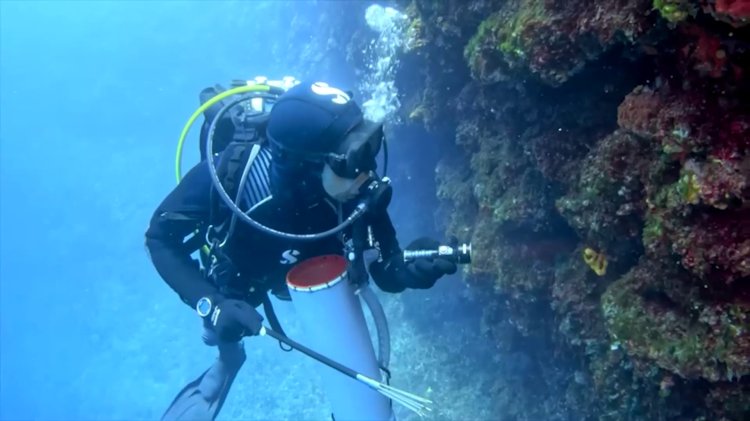
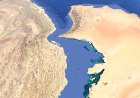
Indo-Pacific lionfish are rapidly spreading across the Mediterranean, threatening its ecosystems. They likely entered via the Suez Canal, first documented in the Eastern Mediterranean by 2012, reaching the Adriatic and Croatia by 2021.Lionfish succeed due to lacking natural predators, allowing unchecked population growth. A single female releases two million eggs annually. As generalist predators, they consume varied fish and crustaceans, outcompeting native species. Their venomous spines deter threats.Significant ecological impacts include lionfish preying on native fish, affecting fisheries and ecosystem health. This reduces biodiversity and alters food webs. Scientists worry lionfish could eliminate helpful species like parrotfish, potentially allowing seaweed to overwhelm coral reefs. Economic repercussions concern coastal communities relying on healthy marine environments for fishing and tourism, particularly in Croatia.Croatian scientists and conservationists are implementing targeted culling. Efforts focus on removing lionfish from high-value conservation areas like National Park Mljet. The primary method involves coordinated removal dives, often spearfishing, by trained divers and local stakeholders. These interventions aim to contain local populations, limit ecological damage, and protect native biodiversity.Beyond direct removal, projects include underwater monitoring, training for identification and handling, and public awareness. Some strategies explore a commercial market for lionfish, encouraging capture for population control and economic incentive.