El Niño rains disrupt Peru's transport and tourism
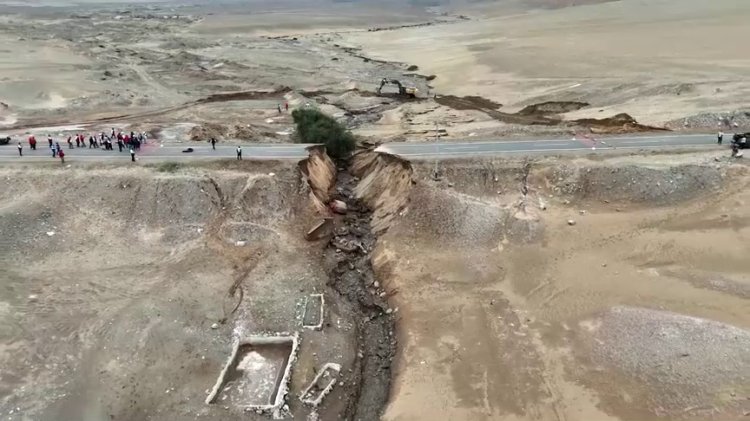
Heavy rains linked to the El Niño weather phenomenon are causing widespread disruption across Peru, impacting infrastructure and tourism. Access to Machu Picchu has been significantly affected, with the iconic Inca Trail temporarily closed due to overflowing waterways and debris. Previous El Niño-induced flooding has trapped thousands of visitors, highlighting the vulnerability of tourist pathways.Beyond tourism, southern regions face severe land transport issues. Massive landslides in Peru's Arequipa region have stranded hundreds of cargo trucks, buses, and passenger vehicles along the Southern Coastal Highway. The disruptions created significant supply chain bottlenecks. These events have also resulted in loss of life; previous landslides in Arequipa claimed at least 15 lives, injured 20, and left two people missing in early 2024.Peruvian authorities have responded by declaring a state of emergency across 22 regions. This measure addresses the imminent risk of intense rainfall, floods, and landslides, with forecasts indicating the El Niño phenomenon could continue until summer 2027. The government is coordinating risk reduction, response, and rehabilitation actions. Over 9.3 million Peruvians are at high risk of flooding and landslides.The 2023-2024 Coastal El Niño, one of the most intense in two decades, caused devastating rainfall, widespread flooding, and infrastructure damage. The Ministry of Transportation has reported damage to 931 kilometers of roads, with a death toll of 68 people since last December.