Ethiopia inaugurates Africa's largest dam
GERD sparks hope for power growth but deepens Nile water disputes
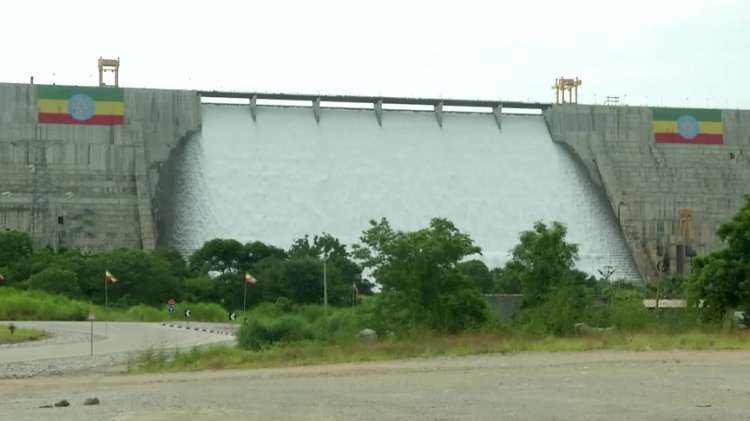
Ethiopia has inaugurated the Grand Ethiopian Renaissance Dam (GERD), now the largest hydroelectric project in Africa, aiming to provide energy to millions and bolster its economic ambitions. Prime Minister Abiy Ahmed emphasized that the dam was built to benefit the region, assuring that Ethiopia would not withhold water from downstream nations, particularly Sudan and Egypt.
The $5 billion dam, located on the Blue Nile near the Sudanese border, spans nearly 2 kilometers and stands approximately 170 meters high, with a reservoir capacity of around 74 billion cubic meters. It has the potential to generate up to 5,150 megawatts of electricity, effectively doubling Ethiopia's current power output. Although only two turbines are operational, producing about 750 megawatts, the remaining turbines are expected to come online gradually.
Ethiopia, with a population exceeding 120 million, views the dam as a symbol of energy independence and national unity, especially amid internal conflicts. The government envisions exporting electricity to neighboring countries, enhancing regional energy access. However, the project has raised significant concerns among downstream nations, particularly Egypt, which relies on the Nile for nearly 90% of its water supply. Egypt has vehemently opposed the dam, arguing it violates historical water treaties and poses an existential threat to its water security.
Egypt's foreign ministry has formally addressed the U.N. Security Council, claiming the dam's inauguration contravenes international law. Meanwhile, Sudan, which is also affected by the dam's operations, has joined Egypt in calling for legally binding agreements regarding the dam's management, despite the potential benefits of cheaper energy access.
Ethiopia insists that the GERD will not harm downstream countries and has aligned the reservoir filling with rainfall patterns to avoid disrupting water flows. However, diplomatic efforts to reach a water-sharing agreement have been slow, with Egypt and Sudan pressing for binding commitments while Ethiopia asserts its sovereign rights to utilize its resources. The completion of the GERD marks a critical juncture in the ongoing Nile water dispute, reflecting the competing interests of regional development and resource governance.