


France hit by mass strike over austerity
Unions rally nearly a million against cuts and pension reform
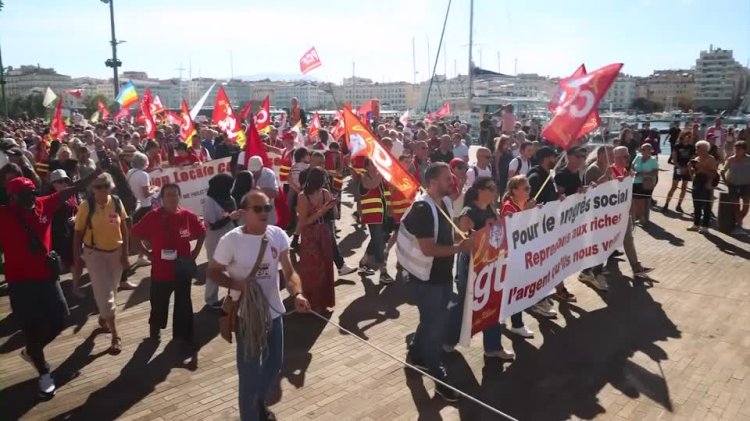
Hundreds of thousands of French workers and students flooded the streets in a coordinated strike against the government’s proposed 2026 austerity plan. Major unions—including the CGT, CFDT, FSU and SUD—called the action to pressure President Emmanuel Macron and newly appointed Prime Minister Sébastien Lecornu into revising or abandoning budget cuts that target public spending, a pension reform that raises the retirement age, and other measures perceived as eroding social protections.
The protest disrupted public life nationwide. Public‑transport employees halted regional trains and local transit, leaving the Paris Metro severely delayed with only three driverless lines operating. Schools were blockaded; roughly one‑sixth of primary and secondary teachers walked out, and pupils staged sit‑ins at several secondary schools. Pharmacies shut down en masse, with nine‑tenths closed, while hospitals reported staff shortages.
Authorities estimate around 500 000 participants, but union figures approach one million, with tens of thousands marching in Paris alone. Police deployed up to 80 000 officers, drones, armored vehicles and water‑cannon units, making over 140 arrests. In Paris, tear‑gas was used to disperse unauthorized demonstrations; clashes in Marseille, Lyon and Lille resulted in injuries to journalists and police.
Unions demand a halt to the 44‑billion‑euro austerity package, higher taxes on the wealthy and greater investment in public services. They also criticize the pension reform, calling for its repeal. Government officials argue the cuts are essential to shrink a deficit that far exceeds the EU’s 3 % of GDP limit, but Lecornu has stressed that “tough choices” are unavoidable despite openness to dialogue.
The strike’s economic impact is already palpable: transport gridlock, delayed hospital care, school closures and pharmacy shortages fuel public frustration. EDF reported a 1.1‑gigawatt reduction in nuclear output as workers participated in the industrial action. Analysts warn that prolonged unrest could cripple the government’s ability to present the budget and destabilize the political landscape, especially as Macron’s approval rating hits historic lows with only 18 months left in office.