

Funerals held for 31 Yemeni journalists
Israeli strikes in Sana’a devastate media community
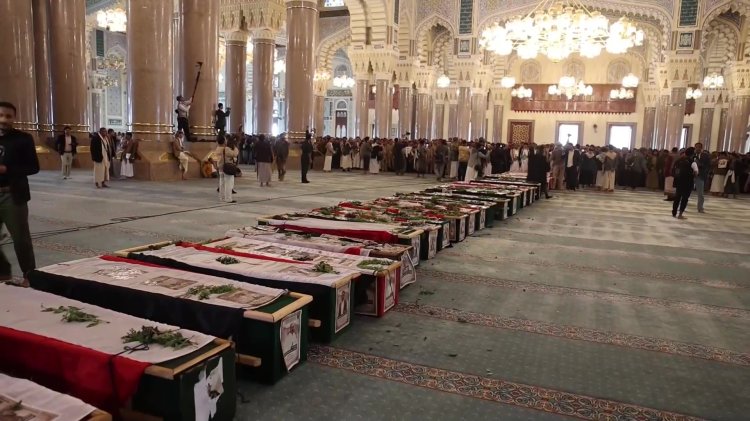
Hundreds gathered for funeral services in Sana’a after Israeli airstrikes killed 31 Yemeni journalists last week. The ceremonies, broadcast by the Houthi‑run Al‑Masirah TV, showed dozens of mourners inside a mosque reciting prayers while honor guards stood beside the coffins that were carried to burial sites. Attendance was lower than expected, which witnesses attributed to heavy rain that fell on the morning of the services.
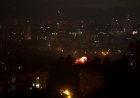
The strikes, carried out on a Wednesday, targeted Houthi rebels in the capital in retaliation for a drone launched by the group that breached Israel’s air‑defence systems and struck a southern Israeli airport. Israeli aircraft hit residential neighborhoods, a gas station, a military headquarters and other sites in Sana’a, causing extensive damage. The National Museum of Yemen suffered façade damage, and a government facility in Hazm, the capital of northern Jawf province, was also hit. One civilian was injured, though not critically.
Houthi officials said the attacks killed dozens of civilians, including the journalists, and described the loss as a “huge” blow to the nation’s media community. The Committee to Protect Journalists said it continues to investigate the journalists’ deaths but faces obstacles due to strict Houthi censorship that bans the sharing of photos or video from the strike area. Human Rights Watch added that Israeli forces also struck a media centre housing the headquarters of two newspapers, underscoring the heightened danger journalists face from both domestic authorities and external combatants.
The airstrikes are part of a broader pattern of Israeli retaliation for Houthi missile and drone launches aimed at Israel and cargo ships in the Red Sea. The Houthis claim their attacks are in solidarity with Palestinians amid the ongoing Gaza conflict, which has now approached its two‑year mark. Their campaign of missiles, drones and maritime attacks has continued for over 22 months, prompting repeated Israeli air campaigns in Yemen.
The funerals highlighted the personal toll of the conflict on Yemen’s press corps. Families and colleagues of the slain reporters, including staff from the “September 26” newspaper, gathered to mourn and to honor the journalists who had been working under increasingly hazardous conditions. The loss of the 31 reporters represents a significant blow to Yemen’s already fragile media landscape, raising concerns about the ability of journalists to operate safely in a war‑torn environment where both internal censorship and external military actions threaten their lives and work.