Heavy rains displace families in Colombia
More than 31,000 families forced from homes by floods
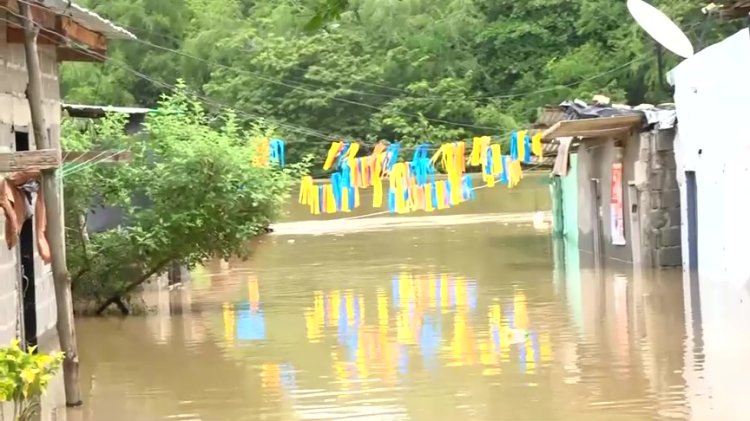
A series of atypical heavy rains has displaced more than 31,000 families across Colombia, with the Caribbean department of Córdoba hardest hit, authorities said. Aerial footage showed flooded agricultural land and the Urra Dam releasing water into the Sinú River, raising the risk of further inundation. Local officials reported thousands forced from homes in Montería and other communities, many losing possessions and receiving only basic food and water aid; calls grew for government help with relocation.
Colombia’s National Unit for Disaster Risk Management attributed the unusual January downpours to a northern-hemisphere cold front colliding with moisture from the Brazilian Amazon and a low-pressure system, producing persistent cloudiness and heavy precipitation during a normally dry period. The extreme rainfall caused river overflows, widespread flooding, landslides and damaged infrastructure—washouts of roads and bridges, power outages and disrupted water supplies—complicating rescue and relief efforts.
Emergency teams have been conducting evacuations by boat and helicopter where roads are submerged; temporary shelters have been set up in schools and public halls but many remain overcrowded and short of essentials such as mattresses, blankets and hygiene kits. Humanitarian groups warned of heightened public‑health risks from contaminated water and urged coordinated national and international assistance. Local leaders appealed for additional central government support, saying municipal resources are insufficient for immediate response and long-term recovery.
The floods have inflicted heavy economic damage: crops, livestock and fisheries have been lost in rural areas, while urban small businesses faced costly flood repairs. Experts and environmental groups pointed to climate variability, deforestation and unplanned development along riverbanks as factors increasing vulnerability to extreme rainfall, and called for stronger early‑warning systems, improved land‑use planning and investment in resilient infrastructure.
Authorities cautioned that river levels remain critical in parts of the country and forecasts indicate continued rain, so displacement figures could rise. Cleanup and damage assessments are underway, but officials and analysts warned that restoring livelihoods and dismantling the wartime and disaster-driven cycles of poverty will be lengthy and costly for many affected communities.