Humanoid Robot Games Sees Record Participation
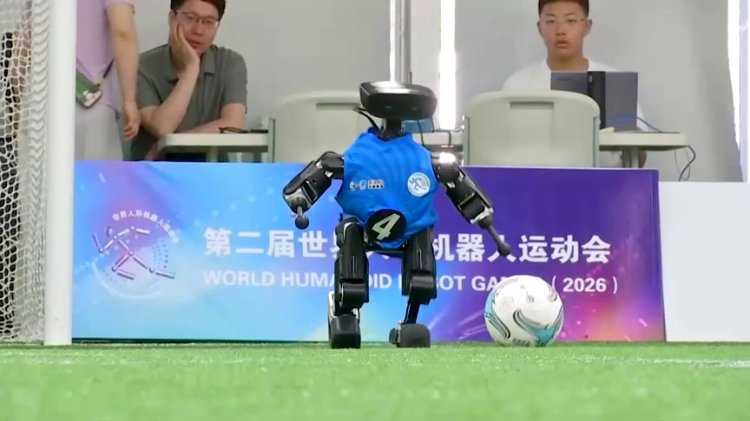
The World Humanoid Robot Games drew global attention with record participants. It's a crucial platform for engineers and researchers, pushing AI and mechanical design boundaries. Robots showcase sophisticated capabilities in dynamic sports, captivating audiences with skill and precision, demonstrating rapid advancements in robotics. Among the most anticipated disciplines are robot football and table tennis. In robot football, autonomous humanoids compete on miniature pitches. Robots utilize complex algorithms for movement, strategy, and ball control. Precision in maneuvers like kicking, passing, and defending demands refined locomotion, sensor integration, and advanced decision-making. Spectators witness agile movements and strategic plays, highlighting progress in navigating unstructured environments. Robotic arms' dexterity and control systems' responsiveness showcase strides in fine motor control and rapid data analysis. Each rally underscores incredible engineering. Record participation highlights escalating global interest in humanoid robotics and its potential beyond competitive sports. Innovations have direct implications for industrial automation, advanced manufacturing, and healthcare. Challenges in robot sports contribute to developing machines that assist humans and address societal needs. Competition fosters collaboration, accelerating research and development through shared insights. The World Humanoid Robot Games inspires future roboticists, offering a glimpse into intelligent machines and their potential to reshape our world.