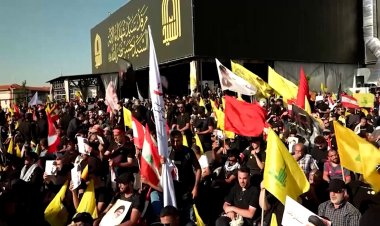


Iraq vote leaves fractured parliament
Sudani’s bloc leads but must form alliances to govern
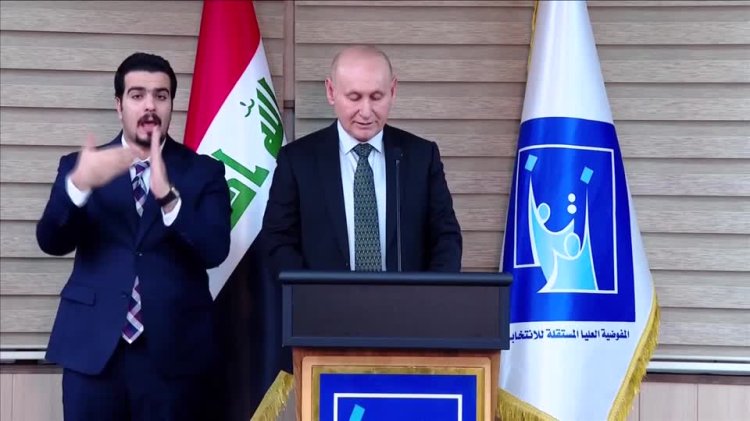
Iraq’s election commission confirmed that Prime Minister Mohammed Shia al‑Sudani’s list topped the vote but fell far short of a majority, leaving the 329‑seat parliament fragmented and government formation uncertain. Sudani’s bloc won 46 seats, scoring strongly across southern provinces and in Baghdad, but no party can govern alone, so protracted coalition talks are now inevitable.
Rival Shiite groupings—including followers of cleric Muqtada al‑Sadr and supporters of former prime minister Nouri al‑Maliki—made gains but secured only modest seat totals. Sunni and Kurdish forces remained divided among multiple regional lists, dispersing influence and complicating arithmetic for any prospective ruling alliance. Analysts warn negotiations will be fraught because of competing agendas, disputes over control of key ministries, and pressure from armed or Iran‑linked factions allied to certain blocs. Kurdish parties are expected to press hard on budgetary and oil‑revenue guarantees, a frequent sticking point in past government talks.
International observers judged voting largely calm and technically competent, though several parties said they would lodge appeals alleging irregularities. Turnout was reported at just over 56%, higher than some recent ballots but still reflecting voter frustration with persistent political stagnation, weak public services and economic hardship that have plagued the country. That mix of engagement and discontent will shape bargaining dynamics as parties try to demonstrate responsiveness without ceding core demands.
Sudani framed the outcome as an endorsement of his platform—focused on improving public services, fighting corruption and maintaining relative stability—but translating a plurality into a governing coalition will require compromise across sectarian and regional lines. Key portfolios, particularly interior and defense ministries and revenue‑bearing economic ministries, are certain to be hotly contested because they carry patronage and security influence.
The likely timeline is uncertain: previous Iraqi post‑electoral negotiations have stretched for months, and officials caution the process could again be lengthy. In the short term, party leaders will hold intensive consultations to assemble a majority bloc and agree power‑sharing arrangements; parliament must then convene to select a speaker and nominate a prime ministerial candidate who can command confidence. External actors, including regional powers with ties to Iraqi factions, may also seek to influence outcomes.