Madagascar protests erupt over outages
Clashes and curfew follow unrest as citizens demand basic services
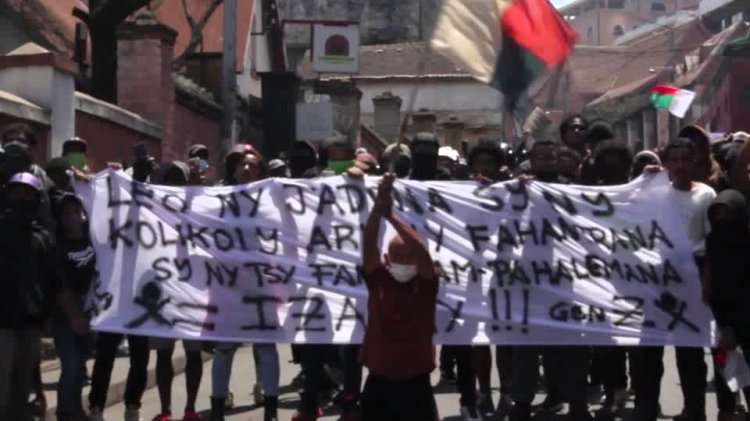
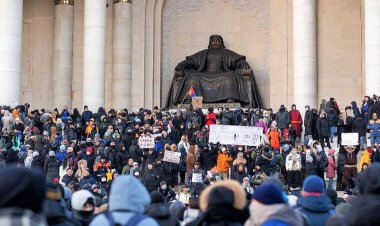
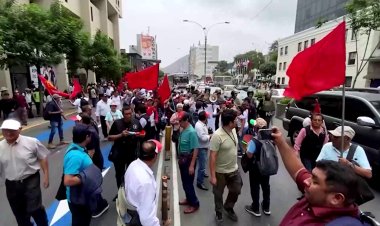
Demonstrations in Antananarivo,Madagascar, intensified as thousands—mostly young people organized on social media—marched through multiple neighborhoods demanding immediate fixes to prolonged electricity and water outages. Protesters set up barricades of burning tires and rocks, chanted slogans calling for basic services, and in some areas clashed with security forces. Police used tear gas and rubber bullets to disperse crowds; security officials acknowledged legitimate grievances but said some individuals took advantage of the unrest to vandalize and loot.
The unrest included targeted attacks on homes of politicians allied with President Andry Rajoelina and the looting and burning of a major shopping mall, signaling deep public frustration with political leaders and the slow pace of service improvements. Authorities imposed a dusk-to-dawn curfew from 7 pm to 5 am across the capital, saying it would stay in place until order was restored and residents and property could be protected. Joint security force head General Angelo Ravelonarivo described a mix of peaceful protesters and troublemakers exploiting the situation.
Critics place blame on chronic problems at the state utility Jirama—pointing to years of underinvestment, mismanagement and alleged corruption—as central to recurrent outages and water supply failures. Only about a third of the population has regular access to electricity, and frequent cuts have disrupted households, businesses and health services, exacerbating hardship in a country where poverty remains pervasive despite abundant natural resources.
The government faces mounting domestic and international scrutiny to present a concrete plan: immediate measures to stabilize supplies, transparent audits or reforms at Jirama, emergency support for affected communities, and a timeline for infrastructure investment. Analysts warn that failure to act swiftly could fuel further protests and economic disruption, undermining political stability after the president’s re-election in 2023. Security forces’ forceful response and property damage raise human rights and governance concerns that could attract broader criticism from civil society and donors if tensions continue.