Migrants move north in Mexico
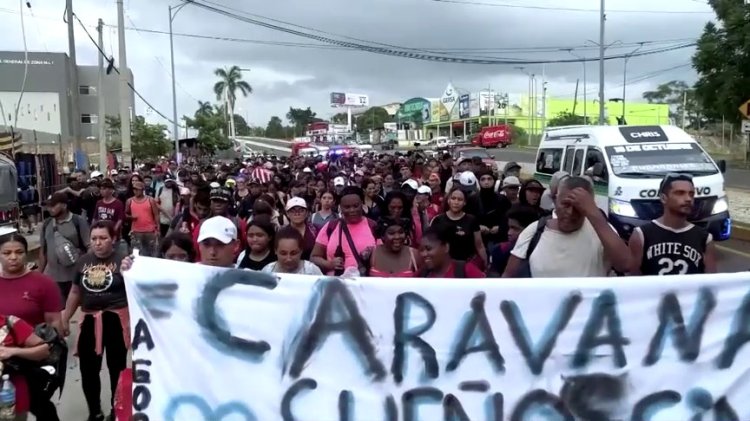
Central American migrants have begun journeys toward central and northern Mexico, after months of waiting for application progress. This delay concerned humanitarian organizations, revealing immense pressure on immigration systems. Migrants resided in temporary shelters or precarious conditions in southern Mexico, hoping for case reviews or transit permits. A backlog in applications and limited resources created a bottleneck, leaving thousands in uncertainty. Their northward movement highlights determination to reach destinations offering greater opportunities or safety. For many, northern Mexico is the final stretch before seeking U.S. entry; others consider settlement within Mexico. This journey phase presents challenges and risks. Routes through central and northern Mexico are arduous, with long distances, harsh conditions, and exploitation by criminal elements. Migrants face human trafficking, extortion, and violence, making passage perilous. Despite these dangers, hope for a better future fuels their movement. Humanitarian agencies and local authorities are preparing for increased service demands where migrants enter or transit. Providing shelter, food, medical care, and legal aid is critical for vulnerable populations. The immigration bottleneck created a complex humanitarian situation, with thousands living in limbo. This movement reflects ongoing challenges in managing migration flows and its profound impact on individuals seeking refuge or opportunities. Organizations monitor routes and provide assistance. The human element remains central to this crisis, requiring a regional response to safeguard human rights and ensure orderly pathways.