NASA aircraft studies atmosphere from Panama
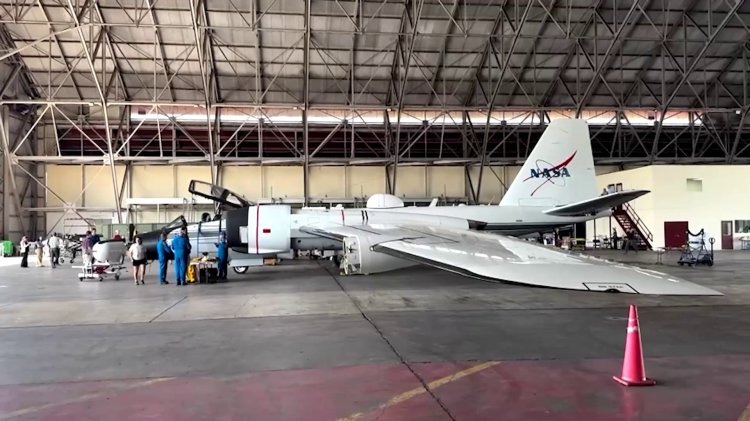
A NASA high-altitude research aircraft is conducting an atmospheric study from Panama, part of the Stratospheric Aerosol Processes, Budget, and Radiative Effects, or SABRE, mission. NASA and NOAA utilize the WB-57 aircraft to investigate atmospheric phenomena. The mission focuses on understanding how tiny particles, known as aerosols, form, move, and change within the upper atmosphere, particularly the stratosphere. This region is vital as it hosts Earth's protective ozone layer, shielding the planet from harmful solar ultraviolet radiation.The WB-57 is equipped with over 17 instruments measuring aerosols, atmospheric gases, ozone, water vapor, and meteorological conditions. These measurements are crucial for improving global models and understanding how atmospheric changes impact ozone levels, weather patterns, and Earth's energy balance.Panama's unique geographic location is instrumental to the SABRE mission. It provides researchers an opportunity to sample diverse tropical atmospheric conditions. This includes studying deep convection over northern South America and flying across the Intertropical Convergence Zone into the Southern Hemisphere. This data, challenging to obtain elsewhere, highlights Panama's strategic importance in global scientific research.During its deployment, the WB-57 typically operates at altitudes between 13 and 19 kilometers (43,000 to 62,000 feet). Flights occur about three times weekly, with routes determined by atmospheric and meteorological conditions, primarily during daylight hours. This multi-year campaign advances knowledge of complex upper atmosphere processes, contributing to climate science and environmental monitoring.