

Netanyahu rejects Palestinian statehood
UK, Canada, Australia and Portugal recognize Palestine, heightening UN pressure
Israel’s leadership reacted sharply. Prime Minister Benjamin Netanyahu declared there will be “no Palestinian state,” calling the recognitions a “massive prize to terror” and promising a response after his return from the United States.
"For years, I have prevented the establishment of this terrorist state despite tremendous pressure both domestically and internationally. We did this with determination, and we did it with diplomatic wisdom. Moreover, we doubled Jewish settlement in Judea and Samaria — and we will continue on this path," Netanyahu said.
Far‑right members of the Israeli government urged annexation of the West Bank.
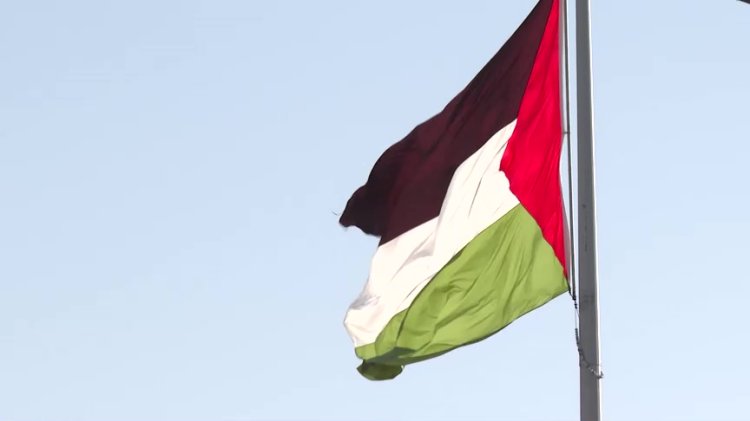
Britain, Canada, Australia and Portugal announced formal recognition of the State of Palestine, joining more than 140 nations that already do so. The coordinated diplomatic move, made public alongside United Nations meetings, is presented as pressure on Israel to halt its Gaza offensive, cease settlement expansion in the occupied West Bank and revive a two‑state solution.
British Prime Minister Keir Starmer said the step revives hope for peace after Israel failed to meet conditions set in July, which included a ceasefire and concrete moves toward a two‑state framework. The UK’s decision aligns it with a growing bloc of countries—France, Belgium, Luxembourg, San Marino and others are expected to follow at the UN General Assembly—while putting it at odds with Israel’s main ally, the United States.
French President Emmanuel Macron said recognition of a Palestinian state would lead to peace in a video ahead of France's expected decision to do so at the United Nations this week.
Palestinian officials welcomed the announcements. Foreign Minister Varsen Shahin described the recognitions as “irreversible steps toward justice,” while senior Hamas spokesperson Basem Naim called them a “welcomed step” that must be paired with practical measures on the ground.
The recognitions carry symbolic weight but do not automatically confer UN‑member status. Full UN membership requires affirmative votes from at least nine of the fifteen Security Council members and no veto from any of the five permanent members. The United States, likely to veto, remains the sole permanent member that has not recognized Palestine, while China and Russia have done so since 1988. Among G7 nations, only Britain and Canada have moved forward; Japan, Italy and Germany continue to oppose recognition.