Super Typhoon Ragasa slams Philippines
Thousands flee northern Luzon as floods and landslides hit
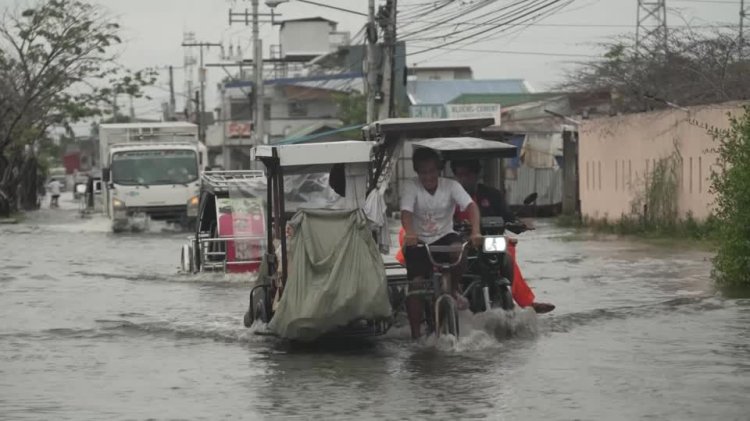
Super Typhoon Ragasa battered the northern Philippines with torrential rains and powerful winds, leaving towns flooded and forcing thousands of residents to flee their homes. The storm, known locally as Nando, slammed into Panuitan Island off northern Luzon with sustained winds of 215 kilometers per hour and gusts reaching nearly 295 kilometers per hour, making it one of the most powerful storms to hit the country this year.
The provinces of Cagayan and Apayao were among the hardest hit, as overflowing rivers and relentless rainfall triggered flash floods and landslides. More than 8,200 people in Cagayan and at least 1,200 in Apayao were evacuated to temporary shelters as floodwaters rose and roads became impassable. Local officials reported widespread power outages, submerged farmland, and stranded residents in low-lying communities. Emergency shelters, schools, and government buildings were quickly filled with evacuees, while authorities suspended classes, office work, and transportation services in the affected regions.
The Philippine Atmospheric, Geophysical and Astronomical Services Administration (PAGASA) issued the highest storm warnings, cautioning that coastal areas could face storm surges of up to three meters. Residents in vulnerable coastal and mountainous zones were urged to move to safer ground as rescue teams scrambled to reach isolated villages. Disaster risk reduction agencies were placed on full alert, with soldiers and police deployed to assist in evacuations and relief efforts.
Ragasa’s impact extended beyond flooding, with reports of damaged homes, toppled power lines, and disrupted communication networks. Relief workers described conditions in evacuation centers as strained, with families lacking food, clean water, and medical supplies. Officials warned that overflowing rivers and saturated soil could trigger additional landslides in the coming days.
The typhoon is expected to continue moving northwest, threatening Taiwan and parts of southeastern China as it maintains its strength. Philippine authorities said they are monitoring the storm closely while focusing on ongoing rescue and recovery operations. With the rainy season already intensifying the risk of natural disasters, residents across northern Luzon are bracing for further challenges even as Ragasa begins to move away.