Nigeria's EV goals hit power grid reality
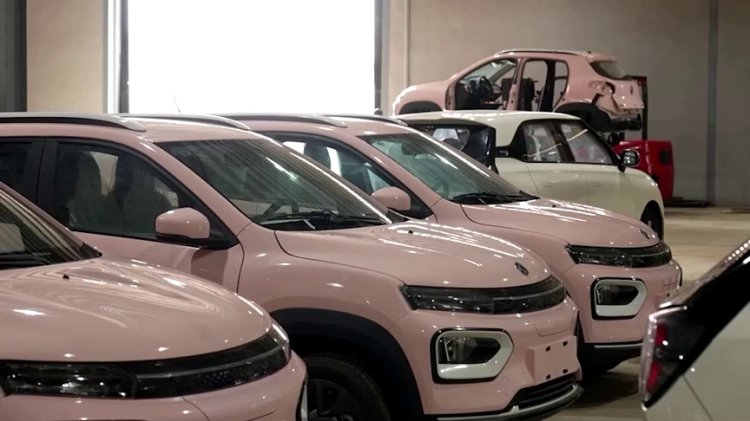
Nigeria's ambitious drive to adopt electric vehicles is significantly hampered by its weak electricity supply. The government offers incentives like tax waivers and zero import duties, supporting its 2022 Energy Transition Plan to achieve 60 percent EV adoption by 2050. The national grid provides only about 4,000 megawatts for over 200 million people, leading to extremely low per-capita power availability. This forces households and the nascent EV sector to rely on diesel and petrol generators, offsetting environmental benefits.Public charging infrastructure is severely limited. In late 2025, Nigeria had only around 48 public EV charging stations, mostly in Lagos and Abuja, a stark contrast to South Africa's over 500. The government's plan projects only 60 stations by 2030. Many EV owners charge at home, but even this is subject to frequent power outages.The unreliable power supply shapes consumer choices. Extended-range electric vehicles, combining battery power with a small fuel generator, have surged in popularity, sales reportedly doubling this year, addressing charging scarcity. Chinese automakers like BYD and Geely are expanding with electric and hybrid models adapted for Nigeria's infrastructure.Despite hurdles, some industry leaders remain optimistic, arguing that delaying EV adoption for a perfect grid would hinder Nigeria's global progress. Startups explore battery-swapping networks to bypass grid limitations. With a strong automotive market and interest in cleaner transport, significant infrastructure improvements are vital to meet Nigeria's ambitious electrification targets.