

Oil jumps as Hormuz stays shut
Failed U.S.-Iran talks fuel supply fears
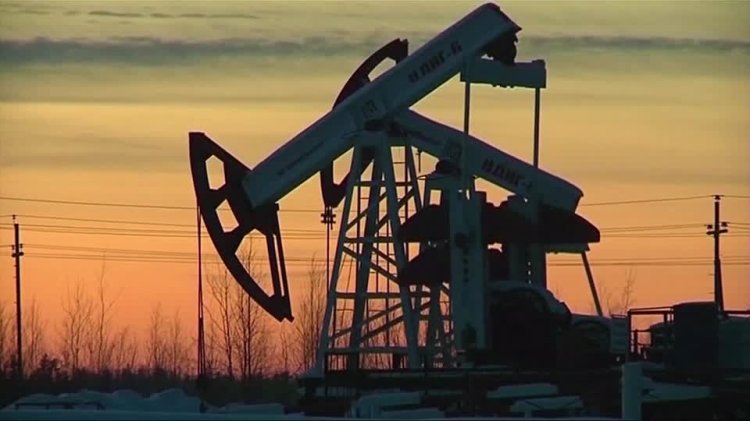
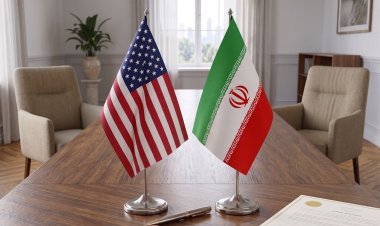
Oil prices surged after talks between the United States and Iran faltered and the Strait of Hormuz remained largely closed, exacerbating concerns over global supply tightness. Brent crude rose about $3.18 to roughly $104.50 a barrel while U.S. West Texas Intermediate climbed about $3.09 to near $98.50, extending gains from the prior session as markets reacted to reports that Washington rejected Tehran’s reply to a U.S.-backed peace proposal. Traders raised risk premiums amid fears that stalled diplomacy could prolong disruptions to seaborne oil flows through the strategic waterway.
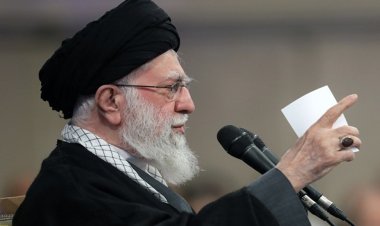
The proposed framework reportedly sought limits on Iran’s nuclear activities in exchange for partial sanctions relief and security guarantees tied to restoring free transit through the Strait, but disagreements over verification, sequencing and regional influence prompted the U.S. response. Iran’s terms—delivered via a mediator—called for an immediate end to hostilities and assurances against further U.S. or Israeli strikes, demands Washington described as unacceptable. The breakdown dented hopes for a swift de‑escalation that would reopen the Hormuz corridor, which handles a significant share of global oil shipments.
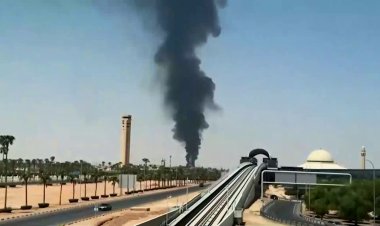
Market reaction was amplified by the persistent closure of the Strait and a broader backdrop of heightened naval incidents and regional tension, prompting shipping firms and insurers to reassess risk and costs for vessels operating in the Gulf. Analysts warned that oil markets remain highly sensitive to political signals from Washington and Tehran, with prices likely to swing on any new statements or developments. Energy importers and markets are closely watching whether diplomatic channels can be revived to reduce supply risk.
Physical supply concerns were underscored by reports that the shutdown of Hormuz has forced more reliance on alternative routes and pipelines, benefiting producers with secure inland export capacity. Major energy firms have reported substantial profit increases amid soaring prices, and analysts say continued instability would sustain elevated market volatility, higher insurance and transport costs, and the potential for further price spikes unless a durable diplomatic resolution is reached.