

Bolivian miners clash with police
Protesters demanded President Paz resign as unrest spread in La Paz
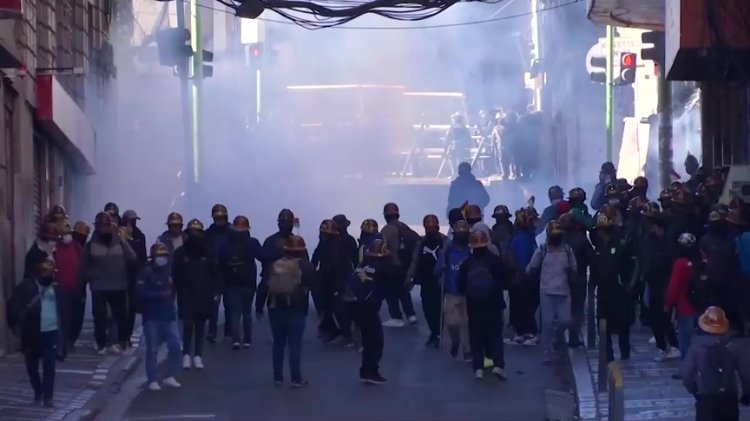
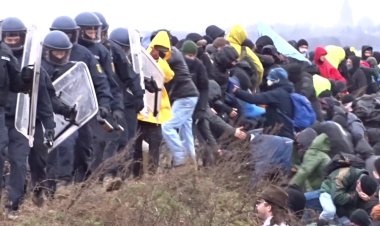
Miners in La Paz intensified protests demanding President Rodrigo Paz’s resignation, clashing with police, throwing firecrackers and attempting to storm the vice‑president’s office as weeks of social unrest escalated. Demonstrators, led by mining cooperatives, blocked roads, marched on government buildings and vowed to continue pressure unless the president steps down; one miner said they would force Paz out “one way or another.” Security forces were deployed to contain disturbances and prevent further incursions into administrative centers, while explosions were reported amid the confrontations.
Parliamentary and public divisions deepened as former president Jorge Tuto Quiroga warned the country is at a “critical moment,” saying democratic institutions face severe strain. Government spokespeople accused allies of ex‑president Evo Morales of fomenting unrest, alleging links between “politicians from Chapare” and drug trafficking, and pledged to defend constitutional order. Morales, recently held in contempt over a trafficking‑related court appearance, publicly supported protesters, arguing that structural grievances—fuel, food and inflation—must be addressed.
Mining unions, wielding historical political influence, rejected offers of dialogue and issued an ultimatum for immediate resignation, citing economic hardship, rising costs and policies that they say have undermined small‑scale and cooperative miners’ livelihoods. The protests reflect broader national discontent over economic policy, inflation and resource management that has repeatedly driven mass mobilizations in Bolivia.
The government insists change must follow legal procedures and stressed continued commitment to reforms and stability, but critics warned that vacant political space and hardline rhetoric risk further escalation. Analysts say the miners’ mobilization adds substantial pressure because of the sector’s economic importance; observers cautioned ongoing clashes could disrupt transport and services, deepen political polarization and precipitate a sharper crisis unless mediated by credible negotiations or concessions.