Pergamon museum details major renovation
The museum starts a long renovation to protect art
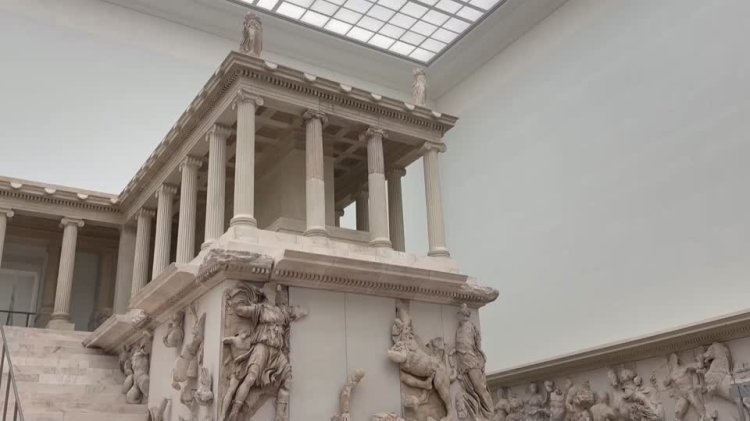
Berlin’s Pergamon Museum has released new details of a sweeping, multi‑year renovation of its central building on Museum Island, outlining plans to modernize infrastructure and protect its world‑famous antiquities, including the Pergamon Altar, the Ishtar Gate and a dome from the Alhambra of Granada. Officials said the overhaul addresses chronic structural weaknesses, outdated climate‑control systems and limited visitor capacity in the structure first opened in 1930.
Work announced for the first phase includes foundation reinforcement, replacement of mechanical and electrical systems, restoration of historic architectural features and redesign of exhibition spaces to better house the museum’s monumental holdings. Curators and architects presented progress on conservation labs, construction zones and new display layouts intended to improve storage conditions, exhibition coherence and visitor access. To keep key pieces available to the public during the closure, some artifacts are being temporarily relocated to other Berlin institutions.
The renovation will proceed in stages: a partial reopening of the central building and north wing is planned for spring 2027, while the south wing and a proposed fourth wing are scheduled for later in the decade. Project leaders said full modernization is not expected before the mid‑2030s. They acknowledged concerns over rising costs and potential delays but argued the extensive works are essential to ensure the long‑term preservation and relevance of one of the world’s most important ancient‑art collections.
The Pergamon refurbishment forms part of a broader transformation of Museum Island aimed at strengthening conservation, accessibility and visitor experience across the complex. For now, the museum’s iconic halls remain behind scaffolding as teams carry out structural upgrades and prepare the return of its monumental installations. Officials stress that the lengthy closure is a necessary trade‑off to secure safer conditions for priceless artifacts and to future‑proof the institution for generations to come.