

Student clashes rock Dakar campus
Students demand aid as police use tear gas
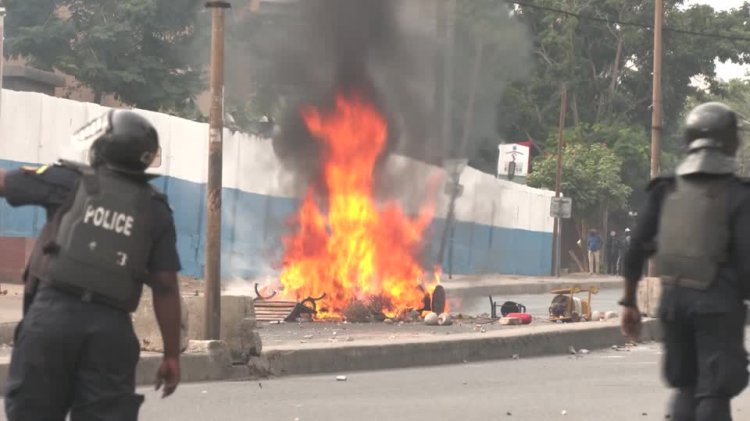
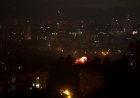
Clashes erupted at Cheikh Anta Diop University as students demanding stipends and other financial aid confronted security forces. Rock-throwing protesters and makeshift shields met police who fired tear gas after university authorities requested reinforcements to restore order on the capital’s main campus.
The demonstrations — part of a wave of campus protests since late November — reflect deep economic distress among students. Many are calling for the restoration of grants and scholarships, lower tuition, and emergency support as rising living costs bite. A 2025 student-led report found nearly 60% of tertiary students now work part time to afford basic needs, organisers say, framing the unrest as a fight for survival and future prospects rather than merely political dissent.
The protests unfold against a severe fiscal crisis that has forced painful budget cuts. An audit by the administration that took office in early 2024 revealed previously hidden liabilities, pushing public debt to about 132% of GDP and triggering the suspension of a $1.8 billion IMF funding program. Debt servicing costs surged, crowding out social spending and prompting the government to re-prioritise public expenditure.
Prime Minister Ousmane Sonko, an alumnus of the university who campaigned on tackling unemployment, corruption and elitism, has pledged to narrow the budget deficit to 3% of GDP by 2027 and to stabilise the economy. But critics and opposition parties say the government has struggled to deliver relief amid a liquidity crunch. Talks with the IMF over a new financing arrangement have been slow, complicating efforts to restore funding and investor confidence.
Government officials argue there is little choice but to prioritise fiscal stability, saying they are negotiating with creditors, tightening tax collection and phasing out costly subsidies to meet obligations. International institutions warn Senegal’s financing needs far outstrip available resources; analysts say an external debt restructuring could be increasingly likely by late 2026, heightening risks of further instability.
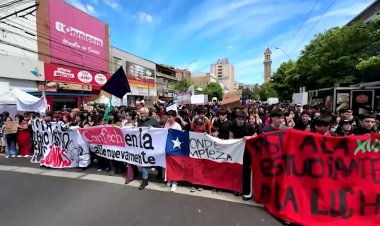
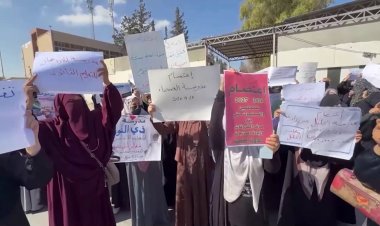
For students, the immediate effects are stark: reduced scholarships, deteriorating campus services and higher living costs have increased hardship. Protesters carried placards demanding tuition relief, restoration of grant programmes and protection from inflation-driven price rises. University authorities and police did not immediately provide casualty figures or comment beyond confirming the use of tear gas to disperse aggressive crowds.