Sri Lanka faces severe El Nino drought
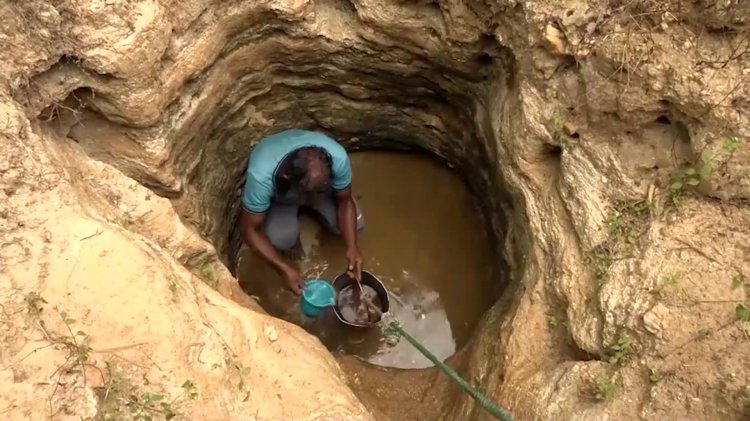
Sri Lanka is grappling with a severe drought in decades, intensified by El Niño. Farming districts report rainfall deficits of 85 to 100 percent. Widespread drying of wells, tanks, rivers, and lakes critically impacts drinking water and agricultural output. The current El Niño is projected to be exceptionally strong, potentially strongest on record, with effects extending into early 2027. Water levels in vital irrigation and drinking water tanks plummeted to 10 percent of capacity, an alarming historical low. Thousands rely on government water deliveries; some remote communities wait up to 23 days for supplies, facing acute shortages for daily needs. Authorities are considering purified seawater distribution as an emergency measure if the situation worsens. The agricultural sector, a significant economic contributor, is hard hit. Farmers face substantial income losses as crops wither in parched fields. Many abandon farms, seeking daily-wage labor to survive. Economic repercussions extend beyond agriculture, impacting food prices, inflation, trade, and electricity, as hydroelectric power is affected by dwindling reservoirs. Weather experts anticipate a shift to heavy rainfall from late September through December, coinciding with the northeast monsoon. However, another prolonged and severe drought is expected in early 2027, from January to April. The government established a ministerial panel and advised rice farmers to plant earlier to leverage initial rains and minimize crop failures. The Disaster Management Centre warns of the unprecedented severity of this complex climate event.