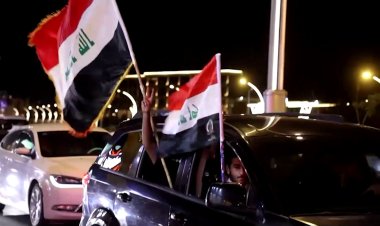
STC supporters rally after Yemen gains
Separatists claim control across former South Yemen
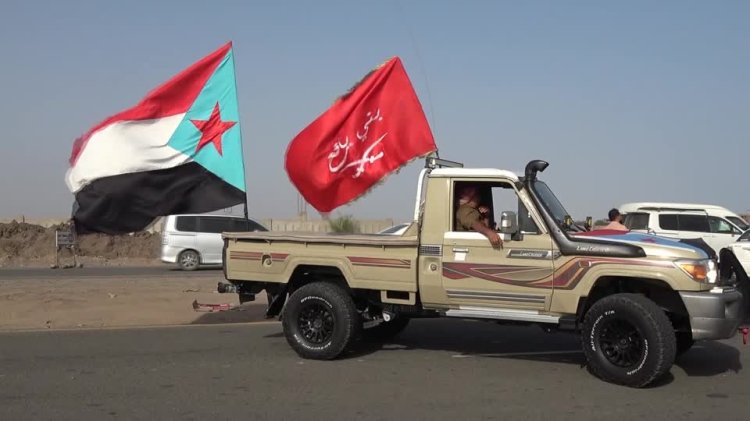
Supporters of Yemen’s Southern Transitional Council (STC) rallied in Aden after the group announced control over eastern provinces including Hadhramaut and Mahra and said it now held sway across the territory of the former South Yemen. Hundreds marched through central streets waving the STC’s eagle emblem and Southern Arabia colours, while speakers hailed recent advances as proof the movement has consolidated territorial gains and as a mandate for stronger claims to autonomy or independence.
STC officials said forces had secured key locations in eastern provinces and were protecting infrastructure and supply routes, presenting their actions as necessary to restore local order and safeguard communities. The group, which has fought alongside the internationally recognised government against the Iran-aligned Houthi movement but also clashed politically and militarily with pro-government forces in the south, seeks greater self-rule and has previously pushed for separation from the north. The rally in Aden, held under tight security, was used to press those demands and to signal readiness to convert battlefield momentum into political leverage.
The STC’s expansion escalates tensions in a country already fractured by more than a decade of war, amid one of the world’s worst humanitarian crises. United Nations officials urged restraint, warning that renewed infighting between southern separatists, government-aligned forces and other actors risks reigniting broader conflict after a period of relative lull. Western diplomats and government representatives cautioned that the STC’s moves could weaken the anti-Houthi front by diverting resources and opening new fronts of competition for territory and influence.
Analysts said the Aden rally aimed both at domestic audiences and regional patrons, underscoring the STC’s ties to the United Arab Emirates and seeking to shape negotiations over Yemen’s future. Government critics accused the separatists of exploiting security gaps to expand control, while the STC argued its presence brought stability in areas neglected by central authorities and helped counter extremist threats.
As supporters dispersed, STC leaders vowed to continue consolidating control and mobilising popular backing, framing their advances as part of a long-term project to restore southern governance structures. The developments complicate diplomatic efforts to forge a lasting settlement, raising fresh questions about how competing territorial claims, autonomy demands and the needs of a devastated civilian population can be reconciled in any post-conflict arrangement.