Supreme Court questions Trump’s tariff authority
Justices doubt use of emergency powers to justify global duties
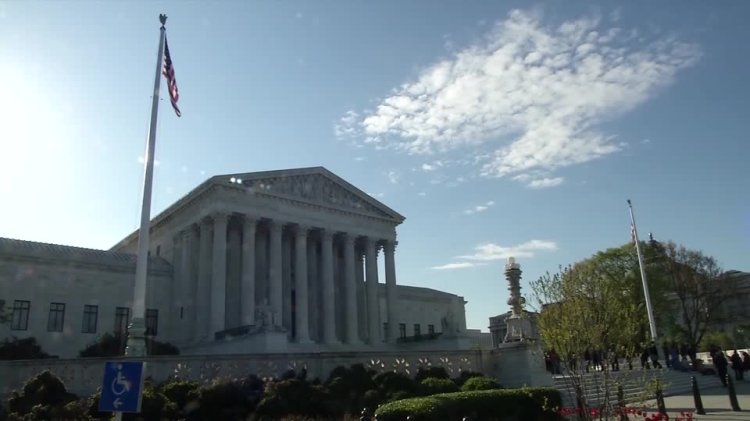
The U.S. Supreme Court signaled serious skepticism about the legality of President Donald Trump’s sweeping global tariffs as justices from both ideological wings pressed the government over its reliance on the International Emergency Economic Powers Act (IEEPA). The administration argues IEEPA—an authority allowing presidents to regulate commerce during national emergencies—permits the imposition of tariffs; U.S. Solicitor General D. John Sauer defended that interpretation during oral argument.
Justices probed whether using emergency authority to levy tariffs effectively hands the executive a power long reserved to Congress. Chief Justice John Roberts asked whether imposing tariffs under IEEPA intrudes on Congress’s constitutional taxing and duties powers and pointed to the “major questions” doctrine, which requires clear congressional authorization for actions of vast economic and political significance. Conservative Justice Amy Coney Barrett pressed Sauer to identify any precedent or statutory use where the phrase “regulate importation” had been read to authorize tariff imposition. Liberal Justice Ketanji Brown Jackson argued that IEEPA was intended to constrain, not expand, presidential emergency powers. Other justices, including Neil Gorsuch, warned that endorsing the administration’s view could let future presidents bypass Congress on major economic policy.
The hearing followed lower-court rulings that aspects of Trump’s tariff program exceeded executive authority; those rulings remain under appeal while the tariffs continue in force. The case carries wide implications: the tariffs affect most U.S. trading partners, generate tens of billions in revenue, and have prompted international concern and reciprocal measures. A Supreme Court decision striking down the IEEPA basis could trigger refunds, litigation, disruptions to global supply chains, and a recalibration of the balance of trade power between the presidency and Congress. The administration has suggested alternative statutory routes, such as the Trade Act of 1974, if IEEPA is rejected, and Congress could be compelled to clarify its role.
Treasury Secretary Scott Bessent said he believed the government made a “very powerful case,” but justices’ questioning suggested significant doubt. The court typically issues rulings months after oral argument; observers expect a decision that could arrive in the first half of next year. The outcome is likely to be a landmark test of executive authority in trade and economic policy, determining whether future presidents can unilaterally impose broad economic measures without explicit legislative backing.