Tiny dinosaur found in Patagonia
Crow-sized theropod reveals rich Late Cretaceous biodiversity
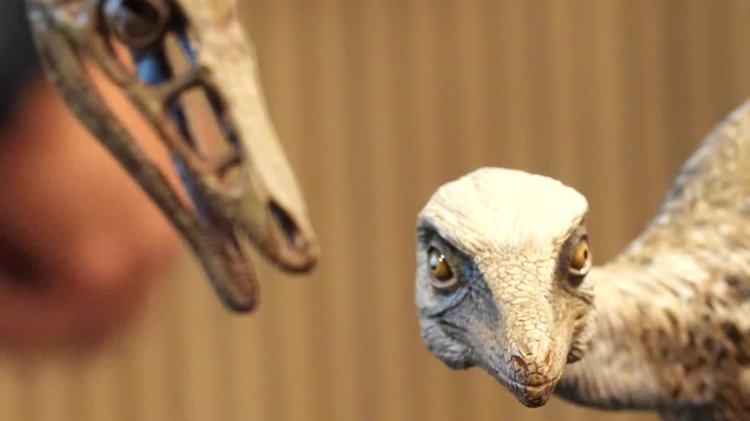
Researchers in Argentina have described one of the smallest known dinosaurs from Patagonia, revealing a crow-sized theropod that lived alongside the region’s famed giants during the Late Cretaceous. The specimen, named Alnashetri cerropoliciensis and nicknamed “Alna,” weighed roughly 0.7 kilograms and is interpreted as a nearly fully grown, four-year-old female. Exceptional preservation—likely due to rapid burial by a sand dune in a desert setting—left much of the skull, spine, ribs and limbs intact, enabling detailed microscopic bone analysis.
Alna belongs to the alvarezsaur family, small-bodied theropods characterized by long hindlimbs and compact, powerful forelimbs. Its lightweight frame, slender hind legs and finely curved teeth suggest a fast runner that preyed on small animals and invertebrates such as lizards, snakes, mammals and insects. Researchers say the find highlights the ecological role of diminutive carnivores in controlling small-animal and insect populations and underscores the era’s biodiversity, countering the perception that the period was dominated solely by giant dinosaurs like Giganotosaurus and Argentinosaurus.
Because small dinosaur bones are fragile and seldom fossilize intact, the specimen’s completeness is rare. Scientists are conducting high-resolution imaging and histological studies to chart growth patterns, age at death and evolutionary relationships, with early work indicating birdlike traits consistent with other small theropods. Geological evidence from the site points to a landscape of river plains and seasonal vegetation, supporting a diverse fauna.
The discovery adds to Argentina’s record of significant paleontological finds and is expected to inform both scientific understanding and public display once research concludes. Investigators stress that continued exploration of remote fossil-bearing formations can yield surprising specimens that refine knowledge of prehistoric ecosystems and the evolutionary pathways linking small theropods and birds.