

Bolivians protest road blockades and shortages
Marches grow as unrest deepens economic crisis
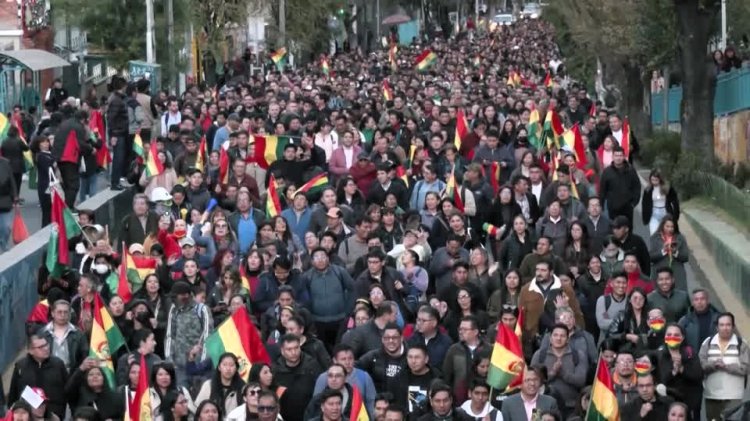
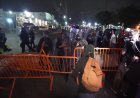
Hundreds of Bolivians marched in La Paz and other urban centers to demand an end to widespread road blockades that have choked supply lines and worsened shortages of fuel, food and medicines, intensifying hardships after weeks of unrest over government austerity measures. The protests, which began with transport and labor strikes, have broadened into a nationwide movement involving miners, transport workers, rural organizations and business groups; demonstrators say sustained blockades have driven up prices, delayed medical and commercial shipments and disrupted daily life for many families.
President Rodrigo Paz’s centrist administration has faced mounting pressure to roll back austerity policies and ease the rising cost of living, with some protesters calling for his resignation. In response to the crisis, Paz announced a cabinet reshuffle and urged dialogue, while police were deployed in parts of La Paz to monitor demonstrations and deter violent clashes between rival factions. Banks in the capital temporarily closed branches amid the unrest, and commercial activity has been impeded by road occupations and checkpoint-style stoppages.
In Bolivia’s rural and mining regions, blockades are a frequently used tool by unions and local groups seeking leverage over resource allocation, public spending and revenue-sharing. Analysts say the current wave of disruption highlights deeper political and social divisions—over control of natural resources, public-sector reforms and economic management—compounded by inflationary pressures that have heightened popular grievances. Business associations and civil society groups joined marches urging authorities to restore free movement on highways and protect livelihoods.
While negotiations and localized accords have been reported in some provinces, nationwide tensions remain high as organized labor, miner cooperatives and opposition-aligned groups continue to mobilize. Observers warn that without a credible political compromise addressing both immediate humanitarian needs and longer-term economic grievances, protests and counter-mobilizations could escalate further, inflicting greater economic damage and deepening polarization across the country.