Trump delays planned strike on Iran
Persian Gulf mediation opens narrow window for renewed diplomacy
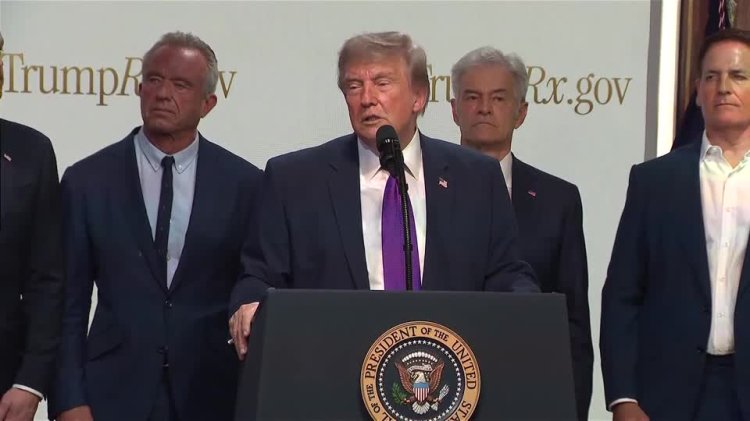
Donald Trump announced on social media that he has postponed a planned U.S. military strike on Iran after urging from Persian Gulf leaders and what he described as “serious negotiations” with Tehran. He said the Emir of Qatar, Saudi Arabia’s crown prince and the ruler of the UAE asked Washington to delay the attack, and that there is a “very good chance” a deal acceptable to the U.S. and regional partners can be reached. Trump warned, however, that U.S. forces remain prepared for a “full, large scale assault” if talks collapse.
Iran reportedly transmitted a revised proposal to Washington through mediators in Pakistan; details were not disclosed, though some sources said the offer resembled an earlier draft Tehran had previously presented and which U.S. officials had dismissed. Key outstanding issues include U.S. demands that Iran halt aspects of its nuclear program and lift a de facto blockade of the Strait of Hormuz, while Iran seeks compensation for wartime damage and an end to hostilities, including Israeli strikes in Lebanon. Tehran has repeatedly insisted its nuclear program is peaceful and said it will not enter negotiations on the issue at this stage.
Regional governments have pressed for de-escalation, citing risks to shipping, energy exports and wider Middle East stability. Markets responded with cautious movements as investors weighed reduced immediate conflict risk against persistent uncertainty. Analysts note the pause continues a pattern in which high-level threats have been followed by diplomatic engagement and temporary stand-downs, leaving tensions unresolved but opening a narrow window for indirect diplomacy. Federal and regional officials say military readiness will be maintained while negotiations proceed and that any agreement would need to address both nuclear and broader security concerns to hold.