

Tehran rallies fuel anti-U.S. mobilisation
State-backed gatherings project unity amid fears of renewed conflict
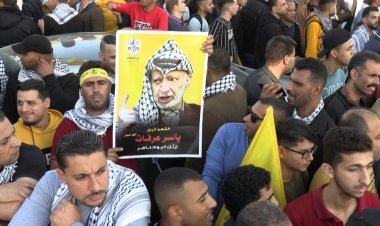
Thousands of Iranians have gathered nightly in Tehran at state-organized rallies that amplify anti‑US sentiment and mobilize support for the government amid rising tensions. Crowds around Tajrish Square chant slogans against America beneath Iranian flags while vendors sell patriotic merchandise; speakers and attendees express readiness to defend the country, with some framing nuclear and missile capabilities as vital to national security even as others insist the program is peaceful and intended for energy. Officials and state media portray widespread popular resolve, and footage shows an atmosphere where martial messaging is normalised.
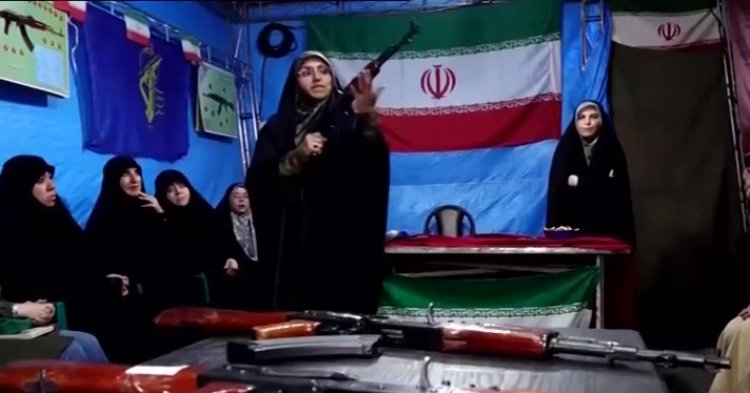
Recent gatherings have included public displays tied to militarisation: kiosks offering basic weapons-handling lessons, masked instructors training civilians, and state television presenters demonstrating assault rifles on air. The visible promotion of arms instruction—women in chadors taught to disassemble AK‑47s, children seen handling unloaded weapons, anchors firing into studio ceilings—signals official efforts to prepare or at least rhetorically mobilise sections of the population for potential conflict.
Amid the mobilisation, fear and resignation coexist with dissent. Many Iranians voice belief that hostilities could resume despite diplomatic signals, citing distrust of international promises and frustration with external pressure.
The overall mood is one of heightened tension: official rallies and media campaigns push a narrative of preparedness and resistance, while pockets of civil society and private conversation cling to hopes for de‑escalation. As nationalistic fervor is publicly amplified, the divide between state-driven mobilisation and citizens seeking stability underscores uncertainties about whether rhetoric will translate into renewed military action or remain a domestic display of solidarity.