Trump ends 43-day U.S. government shutdown
The funding bill reopens agencies and restores pay to workers
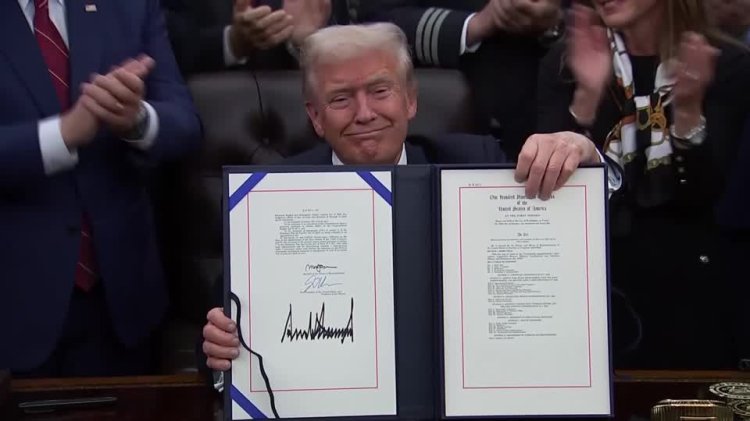
U.S. president Donald Trump signed a funding package reopening the federal government, ending a 43‑day shutdown and restoring operations across most agencies. The measure, approved by the House 222–209 after earlier Senate passage, restarts food assistance, restores pay for hundreds of thousands of federal employees, and begins repairs to a strained air‑traffic control system. It funds most agencies through January 30, 2026, and includes three full‑year appropriations bills for key sectors, while keeping the government on a trajectory that adds roughly $1.8 trillion annually to the national debt.
Republican leaders framed the move as necessary to resume services and pursue economic priorities such as lowering living costs and improving public safety. House Speaker Mike Johnson blamed Democrats for the shutdown, accusing them of using the public as leverage. Democrats countered that the deal fails to protect millions of Americans who rely on Affordable Care Act premium tax credits; House Democrats vowed to keep fighting for an extension. The package defers the health‑insurance subsidy question to a Senate vote in mid‑December but offers no binding guarantee and no parallel commitment in the House.
Practical recovery has begun: furloughed workers are returning, benefit distributions delayed by the shutdown are restarting, and agencies are addressing backlogs. Officials warned, however, that full restoration of all services and systems will take time. Localities and federal operations most affected—food aid programs, air travel oversight, and agencies with large furloughs—face immediate workloads to clear accumulated disruptions.
While the bill ends the immediate crisis, it leaves unresolved policy and political disputes that could produce another funding standoff before the new expiration date. Lawmakers and administration officials will face pressure to negotiate the pending subsidy vote and broader budget priorities, even as short‑term work focuses on repairing infrastructure, resuming contracted services, and ensuring displaced or unpaid workers receive back pay. The reopening marks a respite for affected communities and federal staff, but the truncated funding timeline and lingering partisan divisions mean fiscal and legislative tensions are likely to continue.