Putin and Tokayev deepen energy partnership
Russia and Kazakhstan agreed to boost cooperation on energy

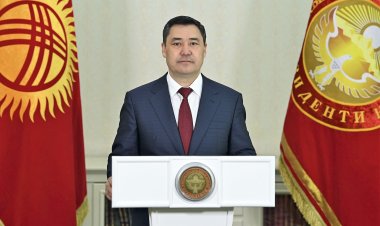
Russian President Vladimir Putin and Kazakh President Kassym‑Jomart Tokayev met at the Kremlin to reaffirm bilateral ties and to expand cooperation in the energy sector, officials said. The leaders agreed to strengthen partnership across oil, petroleum products, coal and electricity production, as well as transportation and supply chains. A central focus was gas cooperation, including continued supplies to Kazakhstan’s northern regions bordering Russia and exploring transit routes to third countries amid shifting global markets.
Russian spokesmen said the talks were held in a constructive atmosphere. Both presidents discussed the fallout from U.S. sanctions on Russian oil companies and explored ways to coordinate responses and preserve energy cooperation. Tokayev, speaking on state television after the meeting, described Russia as an important and historic neighbor and emphasized Kazakhstan’s interest in deepening practical economic ties. He said officials would form working groups to elaborate implementation plans for the agreements reached.
The meeting also came against the backdrop of recent Central Asian diplomacy with the United States. Russian officials noted Putin wanted to hear about Tokayev’s recent trip to Washington, where Tokayev joined other regional leaders for talks with U.S. officials; Tokayev hailed those meetings as opening a new era of interaction between the United States and Central Asia. Observers said the Kremlin discussions underscored Kazakhstan’s diplomatic balancing act: maintaining close economic and political relations with its large neighbor while engaging Western partners and supporting Ukraine’s territorial integrity.
Analysts point out that Russia remains a dominant external power in Central Asia, though Beijing’s influence has increased and Western countries are seeking deeper engagement in the region. For Kazakhstan, energy cooperation with Russia is strategically important: cross-border pipelines, electricity grids and transit routes underpin regional supply stability. The leaders’ focus on gas transit to third countries reflects broader efforts to diversify export paths and mitigate the impact of sanctions on Russia’s energy sector.
State statements indicated infrastructure and regulatory coordination will be priorities for follow-up work. Emergency mechanisms to ensure uninterrupted supplies to border regions, joint ventures in refining and fuel logistics, and cooperation on coal and power production were among the areas highlighted. Moscow and Nur‑Sultan signaled readiness to intensify consultations at ministerial and technical levels to translate high‑level agreements into concrete projects.