Trump pitches manufacturing in Detroit
President Donald Trump claims gains as data stay mixed
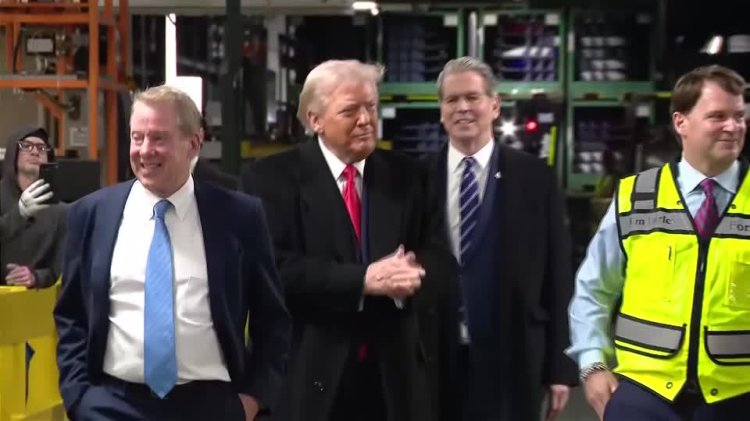
U.S. President Donald Trump used a speech in Detroit to tout economic gains and refocus attention on U.S. manufacturing and the cost-of-living, claiming rapid recovery and strong growth under his administration. He asserted that investment, productivity and incomes are rising and that inflation has been beaten, pledging further measures to bolster domestic production, lower energy costs and attract industry back to American heartlands.
The visit targeted working-class voters in a swing state long tied to the auto industry, with Trump praising autoworkers and linking his trade and energy policies to job protection and industrial revival. He framed Detroit as emblematic of America’s manufacturing backbone and positioned his economic message as central to upcoming midterm campaigning, with aides planning more travel to highlight accomplishments directly to voters.
Despite the upbeat rhetoric, recent economic indicators told a mixed story: consumer prices rose in December driven by food and rent, job growth has been weak, and nationwide factory employment fell by 8,000 jobs last month—levels below much of Trump’s first term. Public sentiment reflected those strains, polling showed just 27% approval for Trump on cost-of-living issues, underscoring voter concerns about affordability even as the White House presses its economic narrative.
The speech ranged beyond economic themes, touching on immigration, former President Joe Biden, transgender athletes and foreign policy, including comments on rebuilding ties with Venezuela—an emphasis that reportedly frustrated some Republican lawmakers and White House aides who prefer a narrower focus on economic and healthcare issues ahead of elections.
Protesters gathered outside the event, voicing opposition on labor, immigration and social policies; police maintained order and reported no major incidents. Observers say the Detroit appearance highlights the administration’s strategy of emphasizing manufacturing and regional economic appeals in key battleground areas, seeking to translate industrial messaging into political support even as economic data and voter sentiment point to persistent challenges.