

U.S. envoy meets Lukashenko in Minsk
Talks focus on freeing prisoners and easing tensions
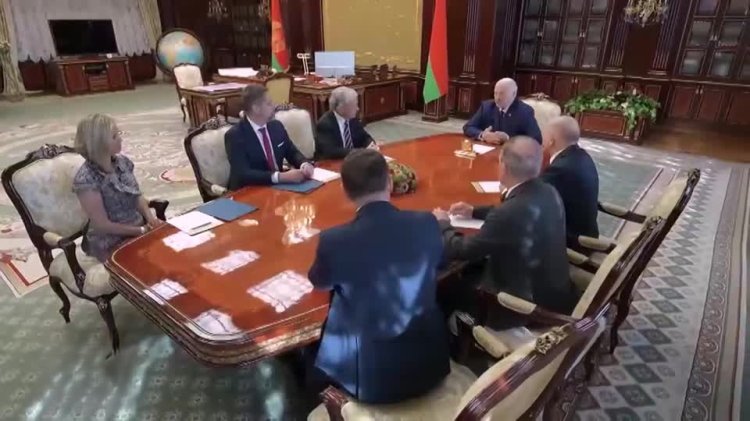
A U.S. presidential envoy met Belarusian President Alexander Lukashenko in Minsk in a renewed push to secure the release of political prisoners, part of an ongoing diplomatic effort that has already yielded several rounds of releases. The envoy, dispatched by the U.S. president, is seeking freedom for more than 1,100 Belarusians whom human rights groups say remain detained for political or human rights activity. Earlier negotiations led to the release of dozens last autumn and 123 more in December, among them Nobel laureate Ales Bialiatski and opposition figures Maria Kalesnikava and Viktar Babaryka.
Those prior exchanges were accompanied by reciprocal steps from Washington, including lifting sanctions on Belarusian potash—a major fertilizer component—and discussions about possibly reopening the U.S. embassy in Minsk after its 2022 closure. The talks represent a significant diplomatic opening for Lukashenko, long isolated in the West over his record on rights and his support for Russia’s war in Ukraine. U.S. officials have framed engagement with him as strategically valuable because of his close ties to Russian President Vladimir Putin and as a potential lever to reduce Belarus’s alignment with Moscow.
Belarusian authorities have publicly suggested momentum toward a broader agreement with the United States that could eventually include a summit between Lukashenko and the U.S. president, while asserting such rapprochement would not undermine Minsk’s relationship with Russia. Washington has said it hopes engaging Lukashenko could encourage more independent behavior from Belarus, though exiled opposition figures remain skeptical, arguing that Minsk’s dependence on Russian political and economic backing limits Lukashenko’s room to maneuver. Still, the opposition has thanked the U.S. envoy and administration for prior prisoner releases.
Observers say Lukashenko has frequently used prisoner releases as bargaining chips in foreign relations, and the latest meeting appeared focused on humanitarian appeals and confidence-building measures that might pave the way for deeper dialogue. No immediate breakthrough was announced, but officials indicated further negotiations are anticipated. Analysts caution that while releases could serve as a bridge to wider diplomatic engagement, major divides over human rights, democratic governance and Belarus’s security ties to Russia persist, making a comprehensive reconciliation with Western governments uncertain.