U.S. imposes temporary 10% global tariff
White House shifts trade strategy after Supreme Court blocks prior levies
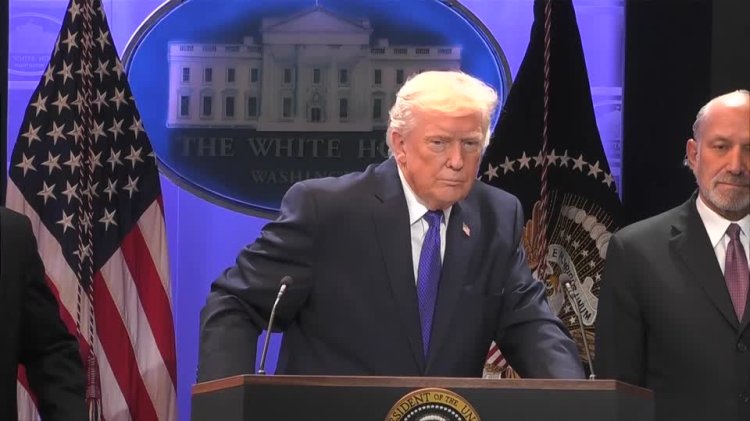
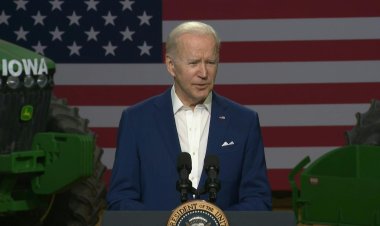
The U.S. president moved to replace tariffs struck down by the Supreme Court with a temporary 10% global import duty, ordering new investigations under other statutes that could allow re‑imposition of higher levies. The measures, implemented by executive order and proclamation, set the 10% duty to run for 150 days and preserve exemptions already in place for key sectors and partners. Aerospace products, passenger cars and some light trucks, pharmaceuticals, certain critical minerals and agricultural goods remain exempt, as do goods from Mexico and most Canadian exports that meet United States‑Mexico‑Canada Agreement (USMCA) rules.
The action follows the court’s ruling that the prior tariffs — imposed under the International Emergency Economic Powers Act and ranging from 10% to 50% — exceeded presidential authority. Administration officials said the switch to Section 122 of the Trade Act of 1974 provides a lawful stopgap while fresh investigations are opened to justify longer‑term measures. The president denounced the Supreme Court decision and signalled intent to continue a forceful trade posture, asserting the tariff move advances domestic manufacturing and trade leverage.
Markets reacted to the legal and policy uncertainty, with investors parsing the short‑term revenue and protectionist effects against risks of higher input costs and retaliatory responses. Business groups offered mixed assessments: some manufacturers welcomed broader protection against low‑cost competitors, while retailers and importers warned the tariff could raise consumer prices and complicate supply chains. Analysts highlighted that the ultimate economic impact will depend on enforcement details, product classifications and the scope of any future duties derived from the new investigations.
Canadian trade flows are largely insulated due to the USMCA exemptions, limiting immediate disruption to North American supply chains and reducing prospects of immediate retaliatory measures from Ottawa. Other major exporters without trade agreement protections face greater exposure to the temporary duty.
Administration statements framed the measure as a “strategic recalibration” to simplify tariff policy while maintaining pressure on countries viewed as engaging in unfair trade practices. Legal observers noted the proclamation could itself face court challenges. Companies are already reassessing logistics and procurement plans as officials finalize implementation rules and move forward with targeted probes that could restore higher, lawfully justified tariffs in specific sectors.