Electronic Arts agrees to $55B buyout
Shareholders get 25 % premium as private equity takes control
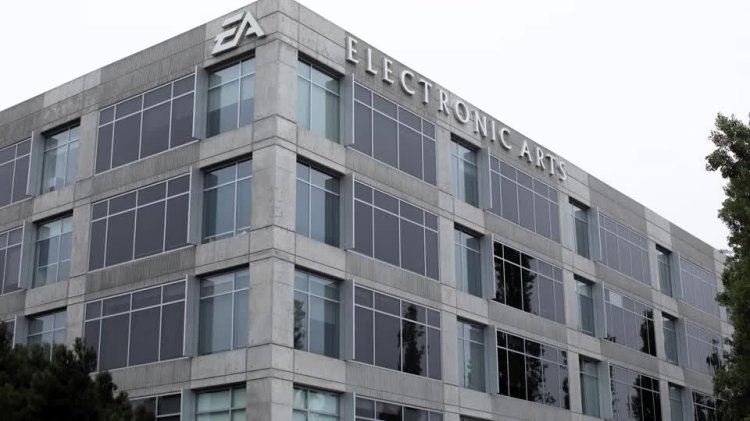
Electronic Arts agreed to be taken private in a record‑breaking leveraged buyout valued at about $55 billion. The consortium behind the deal includes private‑equity firm Silver Lake, Saudi Arabia’s Public Investment Fund (PIF) and Jared Kushner’s Affinity Partners. Shareholders will receive $210 per share, a 25 % premium to the pre‑announcement price, giving the transaction an equity value of roughly $52.5 billion.
Financing consists of around $36 billion in equity and $20 billion of debt, the latter largely provided by JPMorgan. The debt load will translate to roughly $1 billion of annual interest payments, a burden analysts say will force cost‑cutting measures such as layoffs, studio closures or the sale of non‑core IP.
The buyout comes as EA leans heavily on its flagship sports franchises and the upcoming “Battlefield 6” title to sustain revenue amid a sluggish gaming market. Its sports portfolio, driven by recurring micro‑transaction revenue, is viewed as the most reliable cash source.
The transaction is slated to close in the first quarter of fiscal 2027. If the deal is terminated—whether by a board reversal, a higher bid, regulatory delay or other breach—EA must pay a $1 billion termination fee.
Analysts note that the private‑equity ownership will free EA from quarterly earnings pressure, potentially allowing longer development cycles and more experimental projects. However, the massive debt service requirement is expected to shift focus toward proven, high‑margin live‑service models, annual sports releases and micro‑transactions, while studios not tied to these core franchises—such as BioWare, Codemasters or Respawn—face heightened risk of downsizing or divestiture.
The involvement of the Saudi PIF adds a geopolitical dimension. The fund, already a minority shareholder, sees the acquisition as a way to align gaming, esports and entertainment with Saudi diversification goals. Observers warn that Saudi ownership could invite heightened U.S. regulatory scrutiny over data privacy and may influence content decisions, especially in socially liberal titles like The Sims.
Overall, the deal marks the largest leveraged buyout in history, surpassing previous megadeals, and signals a shift in the video‑game industry toward deep‑pocketed investors betting on the enduring profitability of blockbuster franchises while navigating the challenges of heavy debt and evolving ownership structures.