

Asahi targets full logistics recovery by February
The brewer works to restore systems after a major cyberattack
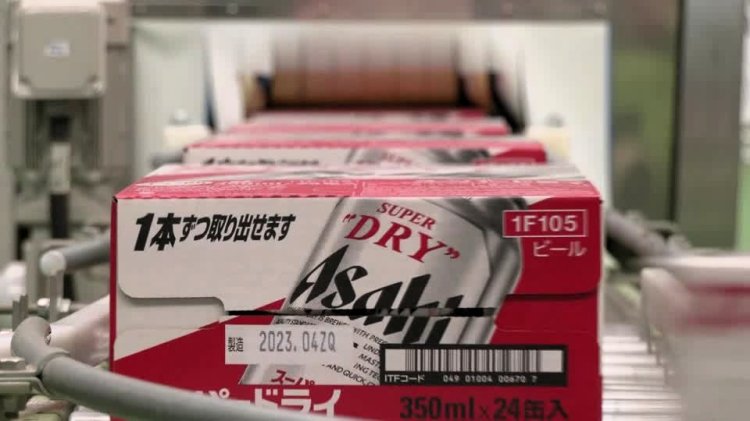
Japan’s Asahi Group said it aims to fully normalise logistics by February after a late‑September cyberattack forced widespread suspension of shipments and disrupted order processing, shipping and call‑centre operations. The brewer, known for its Super Dry brand, reported that about 1.52 million customers may have had personal data exposed in the intrusion and said systems remain partially impaired as recovery continues.
The attack on September 29 caused major outages across Asahi’s nationwide distribution network, leaving retailers, restaurants and distributors facing shortages and forcing some operators to switch suppliers. Asahi moved to manual and partial processes to maintain production and limited deliveries, but acknowledged persistent supply gaps for beer and soft‑drink lines. The company said production at its six domestic breweries is now stable, but full automated logistics and order fulfilment depend on IT restoration and testing.
Asahi attributed the incident to the Qilin ransomware group, which publicly claimed responsibility in October. CEO Atsushi Katsuki told reporters the company had received no ransom demands and therefore made no payments to the attackers. The group has begun notifying affected customers and urged vigilance, saying it has not yet found public evidence that stolen data has been posted online. Impacted information may include names, contact details and purchase histories; business‑partner and employee data may also have been accessed.
The company warned the cyberattack will weigh on near‑term earnings, postponing third‑quarter results and flagging substantial costs linked to IT recovery, system upgrades and potential compensation. Management said it remains committed to its longer‑term strategy of overseas expansion and premium‑brand development while prioritising rebuilding a more resilient logistics and IT infrastructure.
Officials and industry partners have coordinated to mitigate immediate shortages and stabilise distribution, while Asahi implements recovery plans including system audits, enhanced security measures and staged restoration of automated ordering and shipping. The company’s timetable targets full logistics normalisation by February, but it cautioned that availability of certain products may continue to fluctuate until the IT and distribution networks are completely restored.
The episode has prompted broader concern among retailers and suppliers about supply‑chain resilience, with some chains revising contingency plans and seeking alternative suppliers to reduce future disruption risks.