Chile marks 52 years since 1973 coup
Families of disappeared demand justice as Boric urges defense of democracy
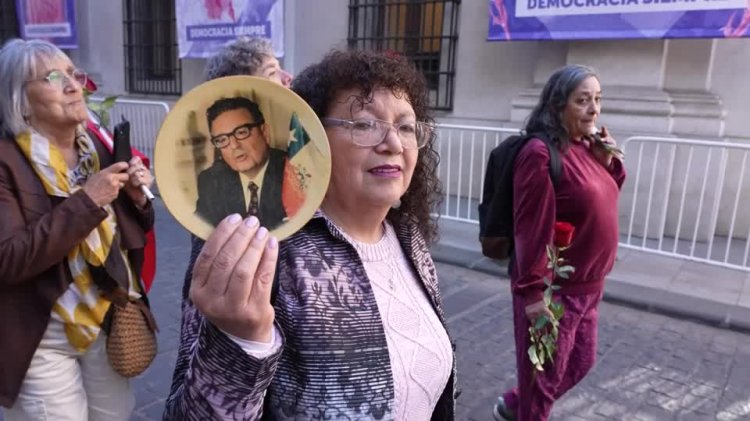
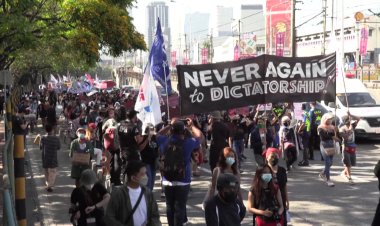
Human rights groups and families of Chile’s disappeared gathered outside La Moneda presidential palace to commemorate the anniversary of the military coup that ousted President Salvador Allende, marking 52 years since the onset of a 17-year dictatorship. The event, held in Plaza de la Constitucion, featured floral tributes to Allende’s monument and symbolic acts of remembrance for victims of forced disappearances and political executions. Members of the Communist Party participated, laying flowers and calling for justice, with Lorena Pizarro, a relative of a disappeared victim, emphasizing the need to protect democracy against rising fascism and denialism.
Chilean President Gabriel Boric led a separate ceremony at La Moneda, reaffirming the state’s responsibility for the disappearances and pledging to continue efforts to locate victims. The anniversary has sparked political tensions, with ongoing debates about the extent of reconciliation and clarification regarding past abuses. Families of victims continue to advocate for investigations and truth commissions, while public events and memorial services are organized across Santiago and other cities. The Allende family, including Isabel Allende, often plays a central role in these tributes.
Boric highlighted the importance of democratic values and the lessons from the coup in guiding current governance, urging vigilance in defending institutions and human rights. However, the anniversary has also deepened political polarization, with differing perspectives on the coup's justification, reflecting a divide in public opinion regarding the events leading up to 1973.
Memorials, museums, and cultural institutions are hosting exhibitions, concerts, and discussions to highlight the dictatorship's horrors and the ongoing quest for justice. The anniversary resonates beyond Chile, drawing participation from exiles and diasporic communities, emphasizing the coup's significance in the broader context of Latin American military interventions and human rights issues. As the day unfolds, many Chileans reflect on how past abuses continue to shape contemporary politics, with ongoing demands for truth and debates over historical education and memorialization. The legacy of the coup remains a vital part of political discourse and personal memories in Chile.