


California wildfire triggers mass evacuations
Crews battle fast-moving blaze near Los Angeles amid dry winds
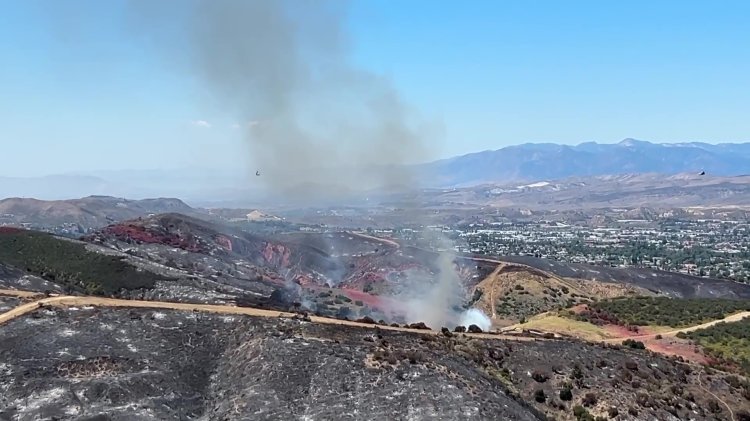
A fast‑moving wildfire in Southern California has burned roughly 1,364 acres near Simi Valley, forcing large‑scale evacuations and stretching firefighting resources as crews battle hot, dry conditions and shifting winds. The blaze moved rapidly through brush and steep terrain toward populated areas, prompting mandatory evacuation orders for more than 10,000 homes and evacuation warnings for about 3,500 additional residences; some neighborhoods in western Los Angeles were placed on precautionary alert. Local, state and federal teams deployed aircraft, air tankers, helicopters, bulldozers and ground crews to build containment lines, protect structures and slow the fire’s advance, while authorities secured a federal grant to support the response.
Smoke from the incident has degraded air quality across the region, raising health concerns for the elderly, children and people with respiratory conditions and complicating firefighting operations. Utility operators monitored power lines and infrastructure threatened by the flames, and emergency shelters were opened to receive displaced residents as roadways out of the fire zone grew congested. Officials cautioned that unpredictable winds and abundant dry fuels could allow the fire to expand, stressing the need for residents to heed evacuation orders and prepare for rapid changes in conditions.
Meanwhile, emergency crews continued to battle a separate, larger wildfire on Santa Rosa Island off the Southern California coast, where roughly 14,520 acres have burned, a cabin and equipment shed were destroyed, and 11 National Park Service employees were evacuated. The simultaneous outbreaks underline an intense fire season across the western United States driven by high temperatures, low humidity and lingering drought, which have increased the frequency and severity of large fires and placed sustained pressure on suppression resources and emergency management systems.
Authorities urged communities to remain vigilant, follow official guidance, limit outdoor exposure when air quality is poor, and check on vulnerable neighbors. Fire officials emphasized that protecting lives and homes remains the top priority as containment efforts continue and as additional personnel and aerial assets work to hold lines and prevent further spread.