G20 summit backs climate and debt action
Leaders adopt climate and debt goals despite key absences
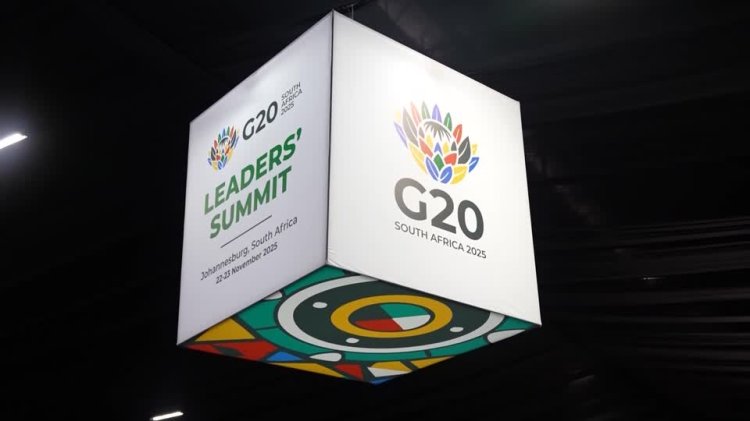
South African President Cyril Ramaphosa hailed the Johannesburg G20 as a vindication of multilateralism after leaders meeting there adopted a joint declaration addressing climate change, renewable energy, debt relief for developing countries and global governance reform — despite a high-profile boycott by the United States. Hosting the bloc’s first summit on African soil, South Africa steered discussions toward priorities of the Global South, emphasizing a just energy transition, infrastructure investment and greater African representation in international decision-making.
Ramaphosa framed the declaration as evidence that “shared goals outweigh our differences,” saying the summit reaffirmed a renewed commitment to collective action on inclusive growth, reduced inequality and sustainable development. Delegates used unusually explicit language on the urgency of the climate crisis and the need to improve adaptation, applauding ambitious renewable energy targets and underscoring the heavy burden of debt-service costs on poorer nations.
Nineteen member states, the European Union and invited partners proceeded with the meeting and reached consensus on the final text, even as several major leaders were absent. The U.S. refusal to attend, publicly attributed by its administration to allegations about South Africa’s treatment of its white minority, left a conspicuous gap; those claims have been widely challenged. China and Russia also did not send their heads of state, a factor analysts say dents the summit’s portrayal as a full-throated reaffirmation of global unity.
Observers noted the dual nature of the outcome: a diplomatic win for South Africa in elevating Global South concerns and demonstrating that a broad grouping can agree on progressive language around climate and debt, counterbalanced by the reality that key powers’ absences expose fault lines in contemporary multilateralism. The summit’s declaration signals renewed collective intent on several policy fronts, but the missing presence of the United States and other major actors highlights ongoing shifts in geopolitical alignment and raises questions about the future efficacy of global governance forums.