

Chinese carrier aviation trains nonstop
Continuous day-night drills boost combat readiness and long-range operational capability
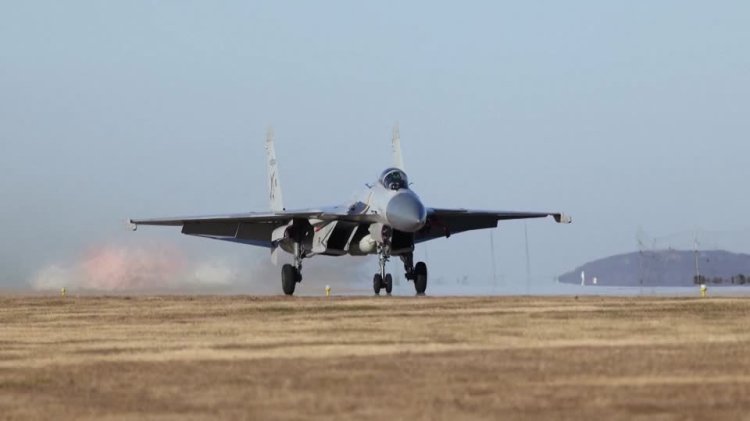
Chinese naval aviation units carried out continuous round‑the‑clock flight training to bolster carrier‑based combat readiness and expand operational reach. Flight cadets from a Naval Aviation University base launched multiple J‑15 fighters in formation for red‑blue confrontation drills that simulated intense air combat. Pilots on the red side used deceptive maneuvers to lure opponents into radar locks; blue‑side aircrews reacted with rolls and evasive actions as warning systems sounded. Both sides repeatedly swapped offensive roles and conducted multiple attack runs.
Following daytime engagements, aircraft returned for precise simulated carrier landings guided by officers and lighting systems. Ground maintenance teams worked through the night, performing cold‑weather checks on electronic components and avionics before the next sorties. J‑15s then practiced aerial refuelling, with tanker crews maintaining steady speed and altitude while receiver pilots extended probes to make contact, demonstrating coordinated precision.
Instructors emphasized the added difficulty of night operations—limited visibility and higher disorientation risk—requiring pilots to rely heavily on airborne datalinks and navigation systems to maintain situational awareness. Debriefings began immediately after sorties, with pilots and officers reviewing flight data and video to identify areas for improvement.
Officials described the high‑intensity, continuous day‑to‑night regimen as designed to mirror real combat conditions and to ready carrier pilots for transition to combat operations and joint missions. Training integrated land‑based simulated carrier landings, air combat maneuvers, aerial refuelling and ground‑attack drills into sustained cycles to enhance operational capability and align practice with anticipated wartime demands.
State media framed the exercises as part of broader efforts to develop carrier‑group operations and long‑range mission capability, highlighting the J‑15 fighters—often called “flying sharks”—as central to an evolving shift from near‑shore defence toward far‑sea power projection. Observers say the move signals an intent to operate more persistently at sea.
Analysts cautioned that sustaining such high tempo places heavy demands on aircrew, maintenance and logistics—areas that have posed challenges for the military—and that intensified training could raise concerns among neighbouring states amid regional tensions. Nonetheless, officials presented the drills as a measured step to improve readiness and to ensure pilots and support units can meet the demands of more complex maritime operations.