

Louvre shut amid union pressure
Staff protest staffing cuts, pay and safety concerns
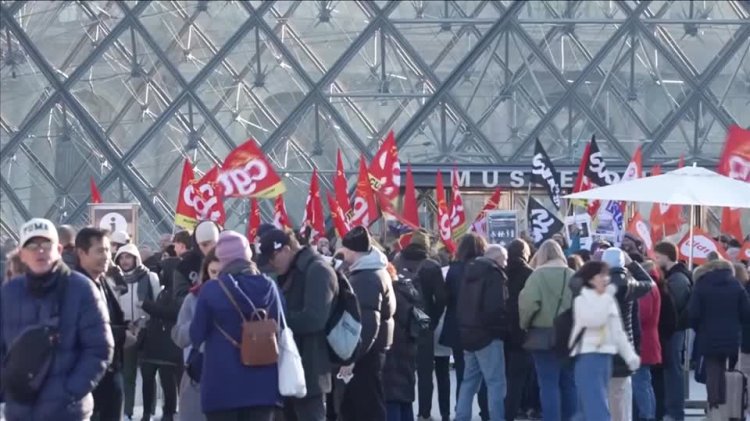
The Louvre remained closed as unions intensified pressure on management over staffing, pay and safety, prolonging disruption for thousands of visitors and deepening scrutiny of the museum’s operations. Around 400 employees backed the action called by CFDT, CGT and Sud, with union leaders arguing that 200 positions were cut over the past 15 years while visitor numbers rose by roughly 50%, creating sustained understaffing in security, visitor services and maintenance. Staff described mounting workload, inconsistent instructions from management and deteriorating working conditions that they say compromise both worker welfare and visitor safety.
The stoppage adds to a series of recent crises at the institution, including an audacious October jewel theft worth 88 million euros and infrastructure failures such as a water leak that damaged rare books — incidents unions cite as evidence of weakened operational resilience. Management defends plans for a 45% ticket-price rise for non-EU visitors from mid-January as necessary to finance major renovation programs, but unions oppose the hike, saying revenue should instead be allocated to restoring permanent frontline staffing and repairing critical maintenance shortfalls.
Operational impacts have been widespread: scheduled visits were canceled, guided tours and school trips were disrupted, and hotels and tour operators scrambled to rebook guests who had planned Louvre visits. Museum staff deployed boats and other emergency measures during recent incidents, but unions argue that ad-hoc responses cannot substitute for sustained investment in personnel and infrastructure. Hospitals and local services were not directly involved, but the closure has amplified concerns among cultural-sector stakeholders about the ability of major institutions to manage increased tourism alongside aging facilities.
Negotiations between union representatives and Louvre management were expected to continue; unions have demanded concrete commitments on hiring, job protections, clearer managerial directives and improved safety protocols. They are also seeking guarantees that any additional revenue from ticket increases will be ring-fenced for staffing and operational improvements rather than solely for renovation projects.
As talks proceed, the museum’s reputation and visitor experience remain at stake. Unions warned of further action if negotiations fail to yield prompt, binding commitments; management has signaled openness to dialogue but has not yet announced any immediate concessions.