Clashes in Bnei Brak over draft
Police rescue soldiers amid conscription unrest
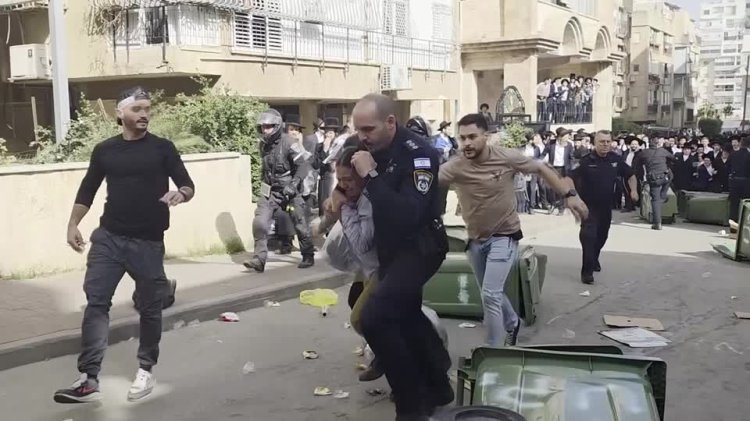
Clashes erupted in the ultra-Orthodox city of Bnei Brak as police rescued two female soldiers from a hostile crowd after stepped-up efforts to enlist some community members, police said. Officers used stun grenades and made 23 arrests during hours-long confrontations that left three police personnel needing medical attention and damaged police vehicles. Video showed soldiers fleeing through narrow streets while police in uniform and plainclothes shielded them from advancing crowds.
The unrest centers on long-standing opposition within the Haredi community to mandatory military service; many ultra-Orthodox men have historically been exempt as full-time yeshiva students, and ultra-Orthodox lawmakers seek formal legal protections for that practice. Other coalition partners and opposition figures insist ultra-Orthodox men should share the national service burden, a demand amplified by casualties sustained in recent conflicts in Gaza and Lebanon.
Police said protesters blocked roads, threw objects and resisted arrest, prompting proportional crowd-control responses after dispersal warnings. Community representatives accused authorities of using excessive force and urged dialogue to avoid further escalation. Municipal services and businesses reported disruptions, with some shops temporarily closed and traffic impeded.
The conscription dispute remains politically and socially sensitive: Israel’s courts have pressed for legal revisions to blanket exemptions, but legislative compromises have repeatedly stalled amid coalition pressures. Officials say they seek a balanced solution that respects religious study while addressing equality of service, yet negotiations are complex and fraught.
Human rights and community groups warned of further protests if enforcement intensified; organisers indicated additional demonstrations could follow. Authorities are investigating the clashes and have not disclosed whether more enforcement actions are planned. The incident highlights persistent tensions over integration of ultra-Orthodox citizens into state institutions and the challenge of reconciling religious commitments with national obligations.