Malawi votes in tense presidential race
Chakwera and Mutharika seen heading for likely runoff
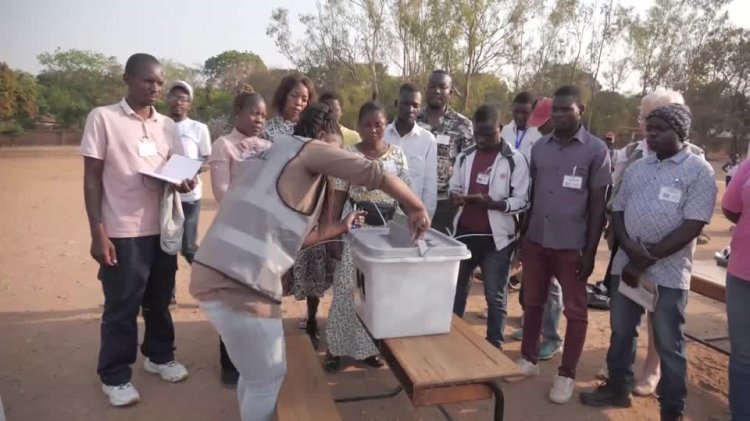
Polls have just closed in Malawi, where voters cast ballots in a tightly contested presidential race that pits incumbent President Lazarus Chakwera against his former rival, former President Peter Mutharika. The election also includes fifteen other candidates, among them ex‑president Joyce Banda, reflecting a crowded field in the land‑locked nation that borders a large freshwater lake.
Analysts say the most probable outcome is a runoff between Chakwera, 70, and Mutharika, 85, because Malawi’s electoral law requires a majority to avoid a second round. The country has been grappling with severe economic distress since Chakwera’s 2020 victory. A cyclone and a regional drought—both linked to climate change— devastated crops, while inflation has lingered above 20 % for more than three years. Nearly three‑quarters of the population live below the World Bank’s $3‑a‑day poverty line, and about half fail to obtain the minimum caloric intake needed for adequate nutrition.
Voting began at 6 am and proceeded largely without incident, although some stations reported glitches with biometric fingerprint readers. Human‑rights secretary Habiba Osman questioned whether the problems stemmed from technical malfunctions or voter unfamiliarity with the devices. Turnout is being monitored closely; some observers fear voter apathy could rise amid widespread disillusionment, yet polls remained open for the full ten‑hour window.
The election follows a pattern of political volatility: Chakwera previously secured a rerun of the 2019 presidential vote after the original result was annulled for fraud. If no candidate achieves a majority, a runoff must be organized within 30 days, with final results expected within a week of the close.
The stakes are high, as Malawians confront a “dark economic cloud” of soaring prices, fuel shortages, foreign‑currency constraints, and food insecurity. Public frustration is palpable, with many citizens expressing disappointment that promises of improved living standards and economic growth have not materialised. The outcome will determine whether the incumbent can steer the nation out of its deepening crisis or whether a change in leadership will reshape Malawi’s response to the intertwined challenges of poverty, climate‑driven agriculture loss, and persistent inflation.