CAF awards AFCON title to Morocco
Senegal stripped after walk off decision
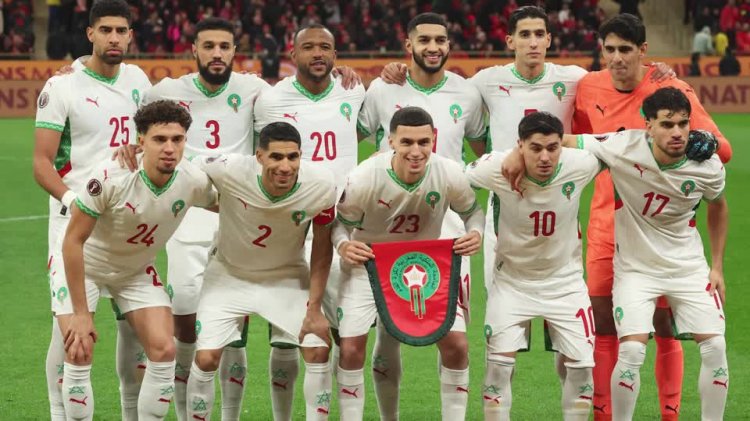
The Confederation of African Football (CAF) has declared Morocco the Africa Cup of Nations champions after annulling the January final result and awarding a 3-0 forfeit victory to Morocco, effectively stripping Senegal of the title. CAF’s Appeal Board found that Senegal had forfeited the match by walking off in Rabat in protest over a potentially decisive penalty; tournament rules state that a team refusing to continue forfeits the game. Senegal briefly returned to the pitch after a 14-minute stoppage, Morocco missed the penalty, and Senegal proceeded to win in extra time before the appeal decision reversed the outcome.
The match abandonment precipitated clashes involving players and spectators and drew sharp rebuke from CAF, which said the episode seriously damaged the image of African football. Senegal’s Football Federation announced it would challenge the ruling at the Court of Arbitration for Sport in Switzerland, setting the stage for a potential legal battle that could delay final confirmation of the title transfer.
CAF’s decision hands Morocco their second AFCON title, half a century after their first, but the circumstances have left the victory mired in controversy. Reactions have been mixed: Moroccan officials and supporters have welcomed the formal recognition, while critics and some neutral observers have expressed concern about the optics of a championship decided off the pitch. The reversal has intensified scrutiny of CAF’s disciplinary procedures and the application of match-abandonment rules, prompting calls for clearer, more consistent governance to prevent similar disputes.
The episode highlights broader tensions in high-stakes international football over how regulations are enforced and how protests or on-field incidents should be managed. It also raises practical questions about match officiating, crowd control and the responsibilities of national federations to ensure player conduct and spectator safety. Legal experts say the CAS appeal process may hinge on interpretations of the sequence of events, whether sanctions were proportionate, and procedural fairness in CAF’s adjudication.
Regardless of the eventual outcome of any appeals, the ruling is likely to have lasting implications for tournament governance in Africa, including stricter oversight of match operations, clearer guidance on protests and abandonment, and a renewed emphasis on preventive measures to protect the integrity and image of the continental game.